VCOM Campus

Auburn

auburn

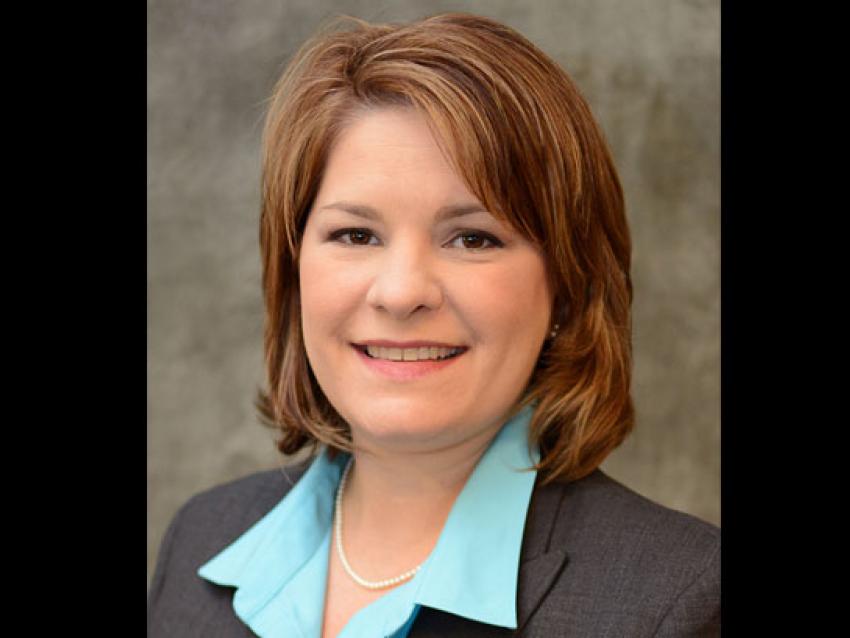
Joseph Brewer

Joseph Brewer photo
Joseph Brewer, PhD
Department Chair for Biomedical Sciences
Discipline Chair and Professor for Immunology

Joseph W. Brewer, PhD serves as Chair for the Department of Biomedical Sciences and is the Discipline Chair and Professor of Immunology at VCOM – Auburn. He has over twenty years of experience in medical education and biomedical research. He taught immunology in previous positions at the Loyola University Chicago Stritch School of Medicine, University of South Alabama College of Medicine, and the Liberty University College of Osteopathic Medicine, where he also served as a department chair and as an associate dean. Dr. Brewer joined VCOM – Auburn in 2020 and enjoys teaching immunology, mentoring students, and helping colleagues succeed.


Education

Year University Degree
1995 Duke University   PhD - Immunology
1990 Auburn University BS - Molecular Biology

Research Interests

Dr. Brewer is a biomedical scientist using cellular and molecular approaches to delineate underlying mechanisms of physiologic processes that can become dysfunctional in disease. His current research focuses on the interactions of the immune system and adipose tissue. Adipose tissue inflammation is a key feature of obesity and is implicated in major health problems such as cardiovascular disease and Type 2 diabetes. Specifically, he is investigating potential regulatory interactions between B lymphocytes and adipocytes, with a goal of determining how such mechanisms influence adipose tissue inflammation. These studies build upon his previous research efforts to understand how B lymphocytes and other cell types adapt to stressful conditions that increase demands on the secretory pathway.

In his work, Dr. Brewer utilizes mammalian cell culture as an experimental system to explore the interactions of adipocytes and B lymphocytes. He applies a variety of cellular, biochemical, and molecular techniques to investigate gene expression, protein synthesis and secretion, cell differentiation and function, and cell proliferation and viability.

Download CV
Office: 116
Department/Disciplines: Biomedical Affairs and Research, Microbiology and Immunology
Campus: Auburn
Fax: 334-442-4100

Desi Hammett

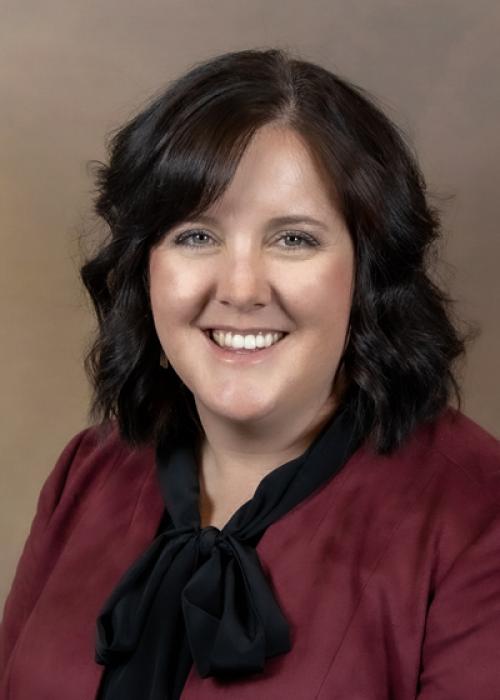
Desi Hammett
Desi Hammett, MBA, PCM
Preferred First Name: Desi
Assistant Vice President for Marketing
Office: 311
Department/Discipline: Communications, Marketing, Website and Publications
Campuses: Virginia, Carolinas, Auburn, Louisiana

Sports Medicine Fellowship Curriculum

Curriculum and schedules are flexible and designed to adapt to the fellow's individual sports medicine interests and needs. We will work with the fellow to develop a particular area of interest while preparing the fellow for the Certificate of Added Qualifications for Sports Medicine and the clinical practice of primary care sports medicine. Weekly didactic sessions with the sports medicine fellow are used to supplement the fellow's experience and provide an opportunity to discuss current literature and controversies in sports medicine.

The curriculum of the program for the sports medicine residency training includes both didactic and clinical components, delivered in both longitudinal learning experiences as well as concentrated subspecialty residency rotations. The total experience will extend over a period of 52 weeks, 14 half days per week.

Sports Medicine Core Competencies

The specialty of Sports Medicine consists of the prevention, diagnosis and management of medical illnesses and injuries related to sports and exercise in the pediatric adolescent and adult patient. The major goal of the osteopathic Sports Medicine program is to achieve mastery of the following Core competencies:

1. Osteopathic Philosophy and Osteopathic Manipulative Medicine

  • Integrate osteopathic principles into the diagnosis and management of patients.
  • Apply osteopathic manipulative therapy to patient management where applicable.

2. Medical Knowledge

  • Demonstrate competency in the understanding and application of clinical medicine as it relates to patient care.
  • Demonstrate a thorough knowledge of the complex differential diagnoses and treatment options of the Sports Medicine patient.
  • Integrate the sciences applicable in Sports Medicine experiences scientific applications of Sports Medicine to clinical practice.
  • Understand and apply the foundations of behavioral medicine as it relates to Sports Medicine.
  • Demonstrate an ability to provide end of life care.
  • Identify and address the socioeconomic, ethnic, religious, and cultural aspects of illness and their impact on a patient’s clinical presentation and subsequent management.

3. Patient Care

  • Demonstrate an ability to rapidly evaluate, initiate and provide appropriate treatment for patients who are critically ill.
  • Demonstrate an ability to thoroughly evaluate, initiate treatment and provide appropriate long-term therapeutic recommendations to patients with chronic medical problems in both hospital and ambulatory settings.
  • Demonstrate an ability to make appropriate recommendations to promote health maintenance and disease prevention.
  • Demonstrate an ability to gather appropriate essential medical information from patient interviews, relevant medical records, examinations and testing.

4. Interpersonal and Communication Skills

  • Exercise effective patient interview skills
  • Demonstrate appropriate verbal communication with clarity, sensitivity, and respect,
  • Create well organized, clear, succinct but thorough and legible medical records.
  • Demonstrate an ability to interact with support staff in the hospital and ambulatory settings in a constructive, positive and effective manner.
  • Identify methods to communicate with non-English speaking patients, and with those having sensory deficits (verbal, visual, and auditory)

5. Professionalism

  • Identify the role of Sports Medicine as it relates to other medical disciplines.
  • Develop the principles of appropriate ethical conduct and integrity in dealing with patients and the medical community.
  • Identify potential areas of conflict of interest inherent in medical practice.
  • Demonstrate appropriate, judicious and efficient utilization of medical therapies, procedures, and testing without consideration of personal gain.
  • Demonstrate understanding of the implicit position of trust and authority into which patients often place the physician; recognize the ethical requirement to avoid exploitation of this trust either intentionally or unintentionally.
  • Complete training in personal health information protection policies, and recognize their application in daily medical practice.
  • Recognize the elements of religion, race, ethnicity, or cultural background in individual patients, and address them properly.
  • Recognize the need for continuous quality of care in all patient populations, and demonstrate lack of discrimination.
  • Provide medical care to those seeking it regardless of age, race, physical handicap or religious affiliation.

6. Practice-Based Learning and Improvement

  • Develop professional leadership and practice management skills.
  • Evaluate the progress of the training of the resident by using continuous assessment tools.
  • Utilize systematic evaluation to include self study and assessment, individual trainee assessment, and outcomes analysis.
  • Participate in quality improvement programs and assessment activities in the hospital and ambulatory setting.
  • Expose the resident to research methodology in Sports Medicine.
  • Identify information technology applicable to the practice of medicine and research. Demonstrate the ability to effectively utilize such technology.
  • Develop teaching skills in the Sports Medicine resident.
  • Promote the development of commitment to habits of lifelong learning and scholarly pursuit in Sports Medicine.
  • Prepare the resident to meet the eligibility requirements of the AOA to take the certification examination administered by the American Osteopathic Academy of Sports Medicine.

7. Systems-Based Practice

  • Develop in the resident the skills needed to practice within a system-based health care environment and to use the resources to deliver quality care.
  • Understand the national and local health care delivery systems and how they impact on patient care and professional practice.
  • Develop and promote advocacy for quality patient centered health care in complex systems.

8. Ultrasound Training

  • The resident will be instructed by faculty according to the [American Medical Society for Sports Medicine recommended sports ultrasound curriculum for sports medicine fellowships] (link to AMSSM Ultrasound Guidelines PDF)

DO with Research Distinction

Many students at VCOM have a desire to conduct research as part of their medical education experience. Faculty and students also recognize the importance of continuous advancement in medical practice through cutting-edge research findings. 

Students are encouraged to actively conduct a research project to gain experience in basic and applied research and advance scientific knowledge.  This will enable DO clinicians to understand how their profession is evolving and can contribute to the effort required for such evolution.  Students will complete a research project, designed and conducted with a faculty research mentor.  After successfully completing the project the student will be awarded a Research Distinction degree designation at graduation.

Benefits to the student, mentor and VCOM:

  • Many faculty and students have ideas for research projects; your effort will advance these ideas.
  • Hypotheses and high-risk ideas can be tested to provide essential data for grant applications.
  • Publish peer-reviewed scientific manuscripts to demonstrate research prowess; improves residency competitiveness.
  • Preparing future physicians in primary care and specialties with cutting edge research experiences.
  • Increase grant supported research, critical to VCOM’s future.

The VCOM Research Division is here to help enable and facilitate your DO with Research Distinction experience:

  • Helping students match to research mentors.
  • Providing input by experienced researchers, including lectures and advice on conducting research, collaboration, publication ethics, paper writing.
  • Monitoring progress of student/mentor team.

L. Granger

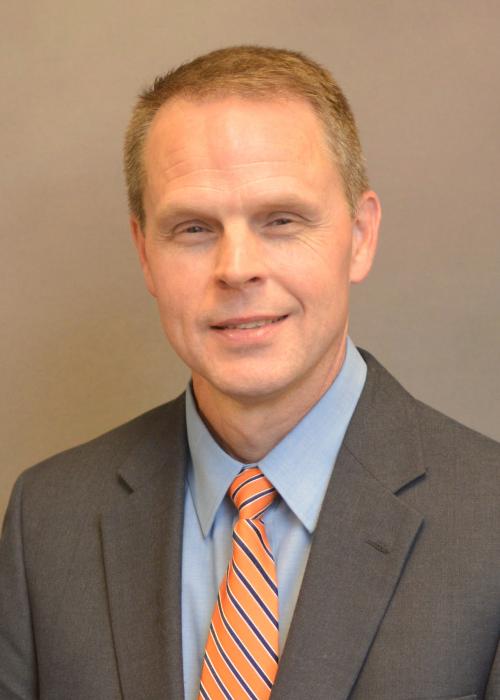
L. Keith Granger
L. Granger
Regional President and Market CEO, CHS – Alabama
Campus: Auburn
2

Laura Grill

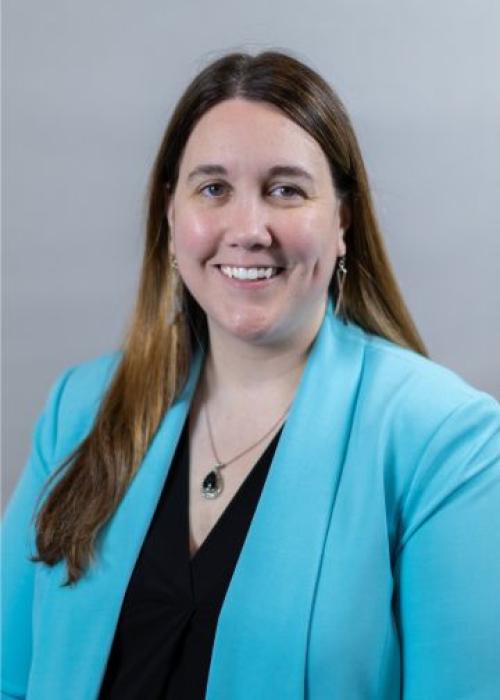
Laura Grill
Laura Grill
President and CEO East Alabama Medical Center
Campus: Auburn
2
Subscribe to Auburn