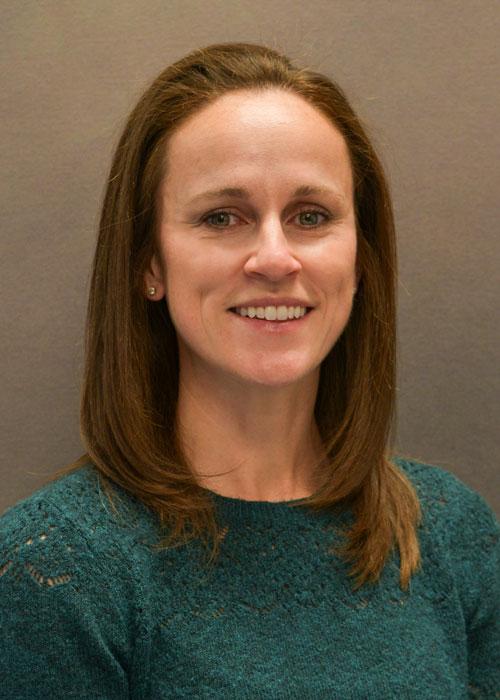
Melinda Carter
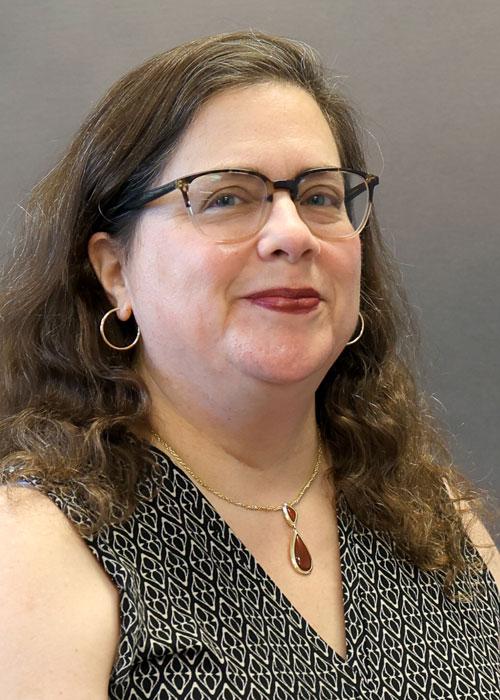
Dr. Carter is originally from Knoxville, Tennessee, where she studied human osteology with Dr. William Bass, known for his research on decomposition of the human body to help crime investigations. Her graduate research at the University of Chicago was on chimpanzee skeletal pathology and stable isotopic bone chemistry of primates in Kibale National Park, Uganda. She first studied and taught human anatomy, histology, and embryology at Pritzker School of Medicine during graduate school. She also spent many years working in archaeology and was a Certified Human Osteologist in Illinois, where she worked on cemetery relocation projects and assisted with forensic cases. She taught anatomy and cadaveric dissection at numerous medical schools, prompting her to get her medical degree in 2012. In lieu of residency, Dr. Carter returned to academic medicine and taught anatomical sciences at the Alabama College of Osteopathic Medicine in Dothan for many years. Now at VCOM Auburn Campus, she continues to serve as a consultant on skeletal forensic cases through the Montgomery Medical Examiners Office, overseen by the Alabama Department of Forensic Sciences. She is passionate about death and mortality in medical education and research.
Education
| Year | University | Degree |
|---|---|---|
| 2012 | Southern Illinois University School of Medicine | MD |
| 2001 | University of Chicago | PhD in Anthropology |
| 1991 | University of Chicago | MA in Anthropology |
| 1989 | University of Tennessee, Knoxville | BA in Anthropology and Organismal Biology |
Research Interests
- The effects of aging and health on cranial base morphology and clinical pathology
- Variability in the human skeleton and its relevance to osteopathic manipulative medicine
- Death investigation and US state laws
- Sources of bias in mortality data reported to the Department of Public Health
- Forensic anthropology and clinical forensic medicine
Awards
- Phi Beta Kappa, University of Tennessee, Knoxville, 1988
Activities
- Member, American Academy of Forensic Sciences (AAFS)
- Member, American Society of Bone and Mineral Research
- Member, Board of Directors, Society of Forensic Anthropologists
- Member, American Association of Biological Anthropologists
- Member, Mountain, Swamp & Beach Forensic Anthropology Organization
- Professional Affiliate Member, National Association of Medical Examiners
- Member, Anthropology Standards Board Consensus Body (ASBCB), Academy Standards Board, AAFS
- Member, Age Estimation Best Practices Working Group, ASBCB, Chaired by Sara Getz, PhD, D-ABFA
- Member, American Association of Anatomists