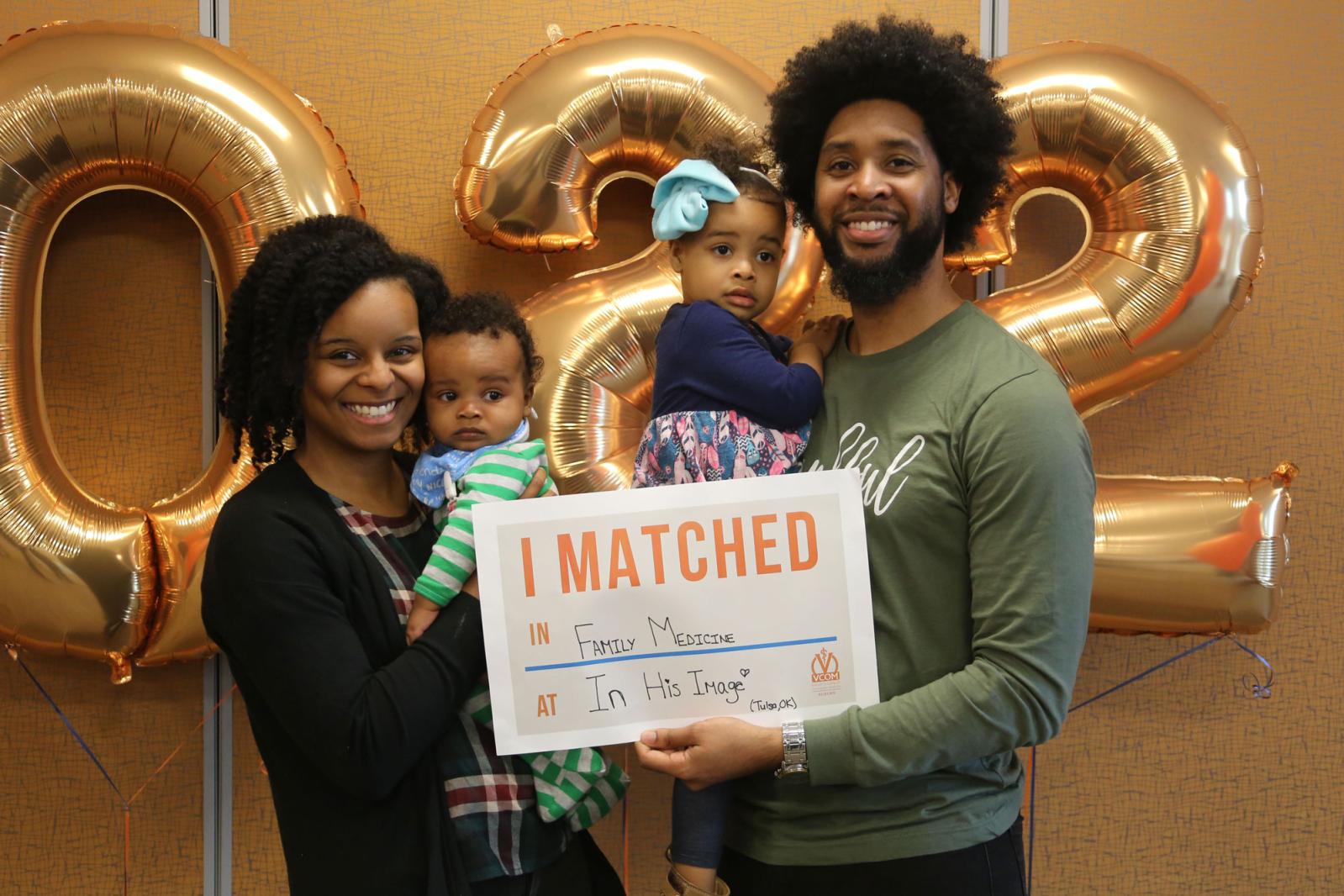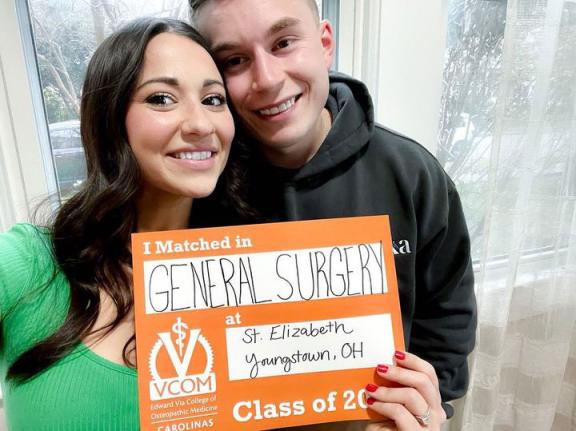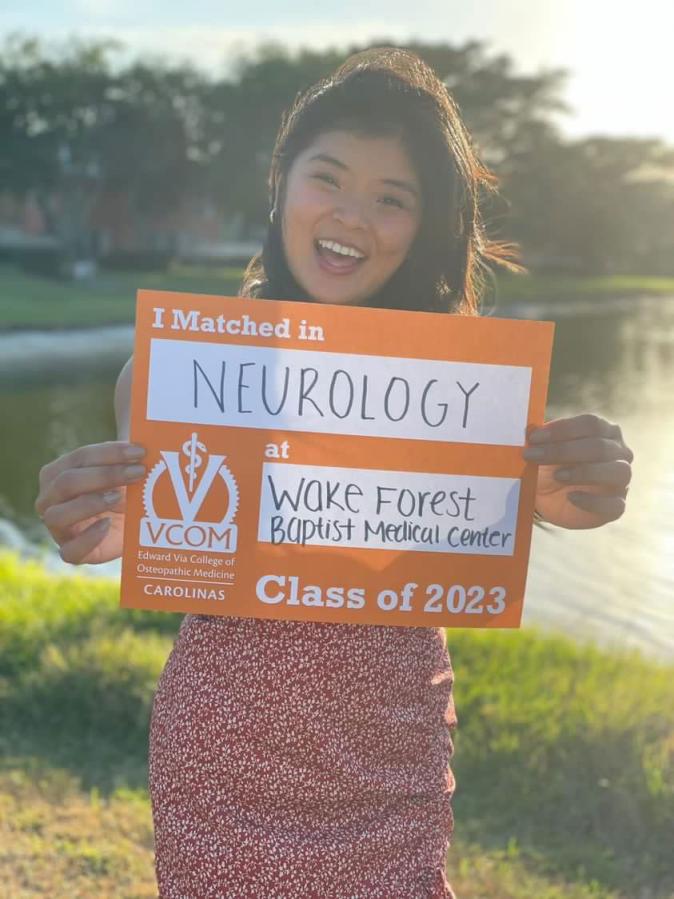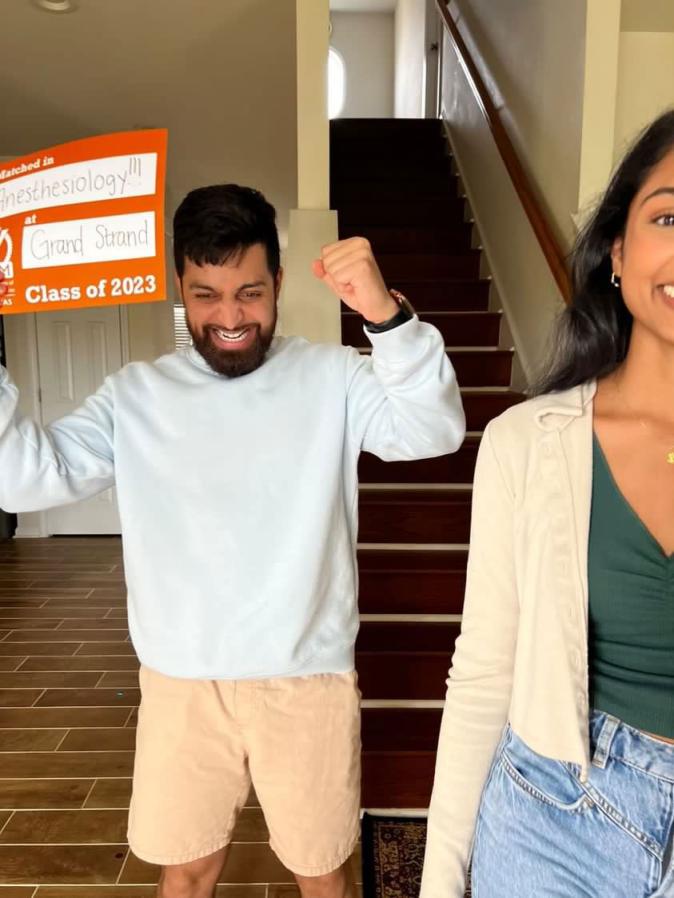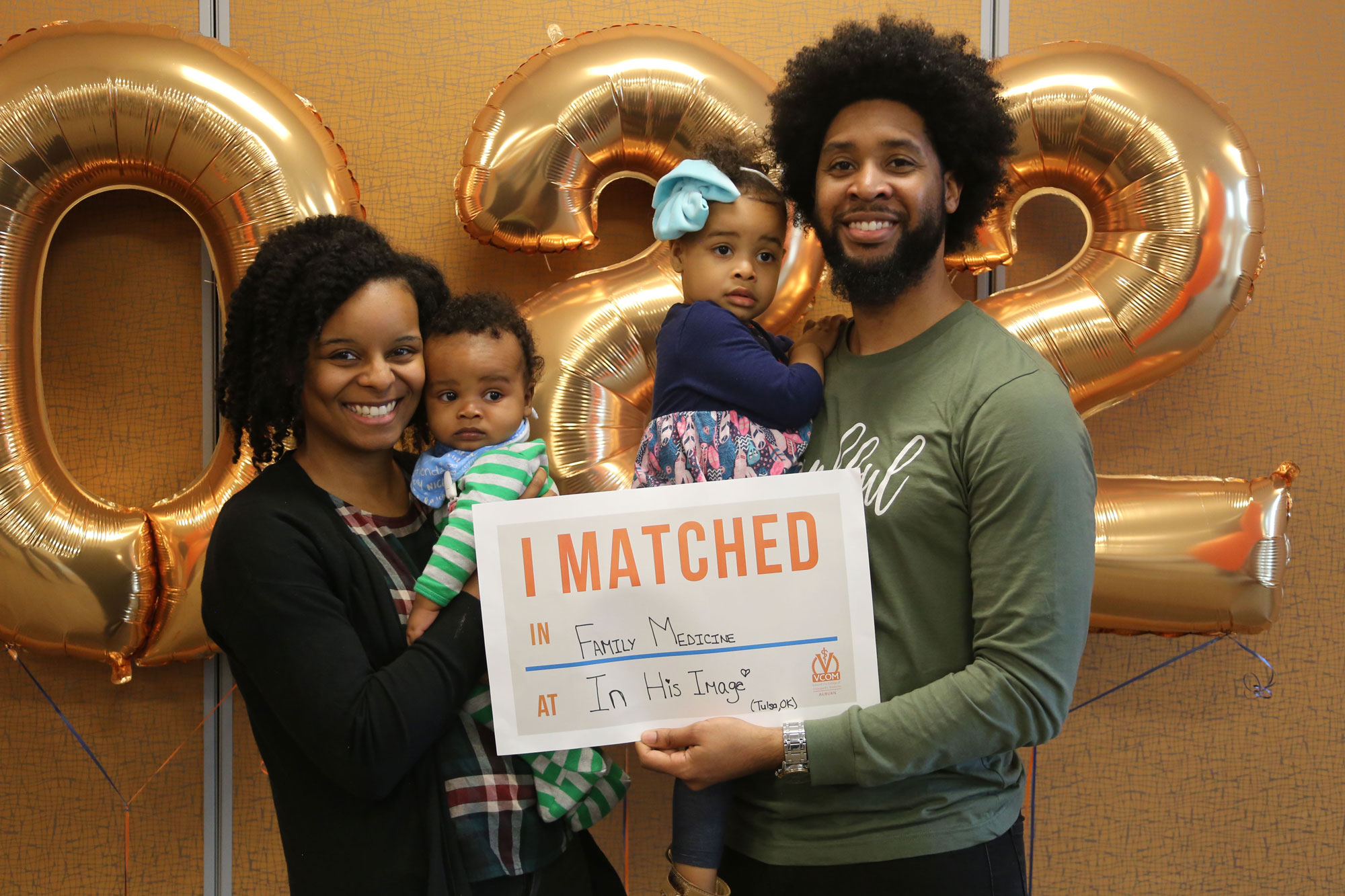
Matching into residency marks the transition from medical student to practicing physician.
For many medical students and their families, however, the process of residency Match can feel mysterious, stressful, and high stakes. And in truth, it is one of the most important transitions in a physician’s training, but the goal of the process is to align aspiring doctors with programs where they can grow, serve, and thrive.
At VCOM, students across all campuses are supported every step of the way—from career exploration to Match Day celebrations and beyond.
Understanding what residency entails, how the match works, how osteopathic (DO) and allopathic (MD) systems connect, and what to expect during and after Match Week can help bring clarity to an otherwise daunting process. So, whether you are considering medical school, currently supporting a VCOM student, or approaching Match Week yourself, we hope the following information provides clarity and reassurance.
What Is a Medical Residency?
Residency is the phase of graduate medical education that follows medical school. After earning the Doctor of Osteopathic Medicine (DO) or Doctor of Medicine (MD) degree, physicians enter residency training in a specific specialty such as family medicine, internal medicine, surgery, pediatrics, psychiatry, or one of many subspecialties.
Residencies typically last three to seven years, depending on the specialty, and are structured as paid, full-time positions in hospitals, clinics, and health systems. During residency, physicians:
Practice medicine under the supervision of attending physicians
- Gradually assume increasing responsibility for patient care
- Complete specialty specific clinical and educational requirements
- Prepare for specialty board certification in their chosen field
Residency is required for medical licensure and independent clinical practice in the United States.
How Do Students Get a Residency Position?
Unlike most job searches, residency placement in the U.S. is coordinated through a centralized matching system. Rather than students negotiating directly with hospitals, both students and residency programs submit ranked preference lists to a matching algorithm.
The primary system is the National Resident Matching Program (NRMP), often referred to simply as “the Match.”
While most specialties use the NRMP, a small number—such as ophthalmology and urology—participate in separate, earlier matching processes.
The Residency Application and Interview Process
In the final year of medical school, students:
Apply to residency programs through a centralized application service.
- Interview with programs during the fall and winter.
- Evaluate programs based on training quality, location, culture, specialty exposure, and personal considerations.
Residency programs simultaneously:
Review applications
- Interview candidates
- Assess fit, academic preparation, and professionalism
After interviews conclude, both sides prepare to rank their preferences.
VCOM alumna Eliane Garlock, DO, Radiation Oncology resident at USCH, created this resource for students planning for the interview process. Follow her for more great content ranging from residency to radiation oncology.
How the Ranking and Matching System Works
Rank Order Lists
Students rank programs in order of true preference, as opposed to strategy
- Programs rank students they would be willing to train
Importantly, the algorithm is student favorable, meaning it is designed to match applicants to their highest ranked program whenever possible.
The Matching Algorithm (In Simple Terms)
The system first attempts to place students into their top choice programs
- If a program has more applicants than available positions, it tentatively accepts the highest ranked students on its list
- Students not placed move to their next choice
- This process repeats until positions are filled or no further matches are possible
Once finalized, matches are binding.
VCOM-Carolinas Alumna Annie, DO made an in-depth 4-part series with advice for interviewing, linked here:
Part 1, Part 2, Part 3, Part 4. If you are a medical student, this would be a good post to save: 4th year application and interview schedule.
Osteopathic (DO) and Allopathic (MD): How Does Matching Work?
All accredited residency programs in the U.S. operate under a single system, the Accreditation Council for Graduate Medical Education (ACGME). Both DO and MD students apply to and match into the same residency programs through the NRMP.
Match Week
Match Week occurs the third week in March every year and is one of the most emotionally charged weeks in medical education.
Monday: Did I Match?
On Monday of Match Week, students learn whether they matched into a residency position, but not where.
Possible outcomes include:
Fully matched
- Partially matched (some programs are only one year, or start in the second year)
- Unmatched
In 2025, VCOM achieved a combined final match rate of 99.6% across all campuses—out of 635 graduating DOs. Additionally, VCOM students achieved a combined initial match rate of 97%—which is significantly higher than the national average for all U.S. DO seniors (92.6%) and all U.S. MD seniors (93.5%). (source)
SOAP: If a Student Does Not Match
While VCOM’s overall, historic match rate sits firmly at 99-100%, that doesn’t mean 99-100% of students match into a location that fateful Monday. However, the system is designed to make sure students have every opportunity to become matched over the course of that week. Students who do not initially match may participate in the Supplemental Offer and Acceptance Program (SOAP).
SOAP allows eligible unmatched students to:
Apply to unfilled residency positions
- Interview quickly
- Receive time-limited offers
Many students successfully secure residency positions through SOAP.
Friday: Match Day — Where Did I Match?
On Friday, students learn:
Which program they matched into
- Where they will train for the next several years
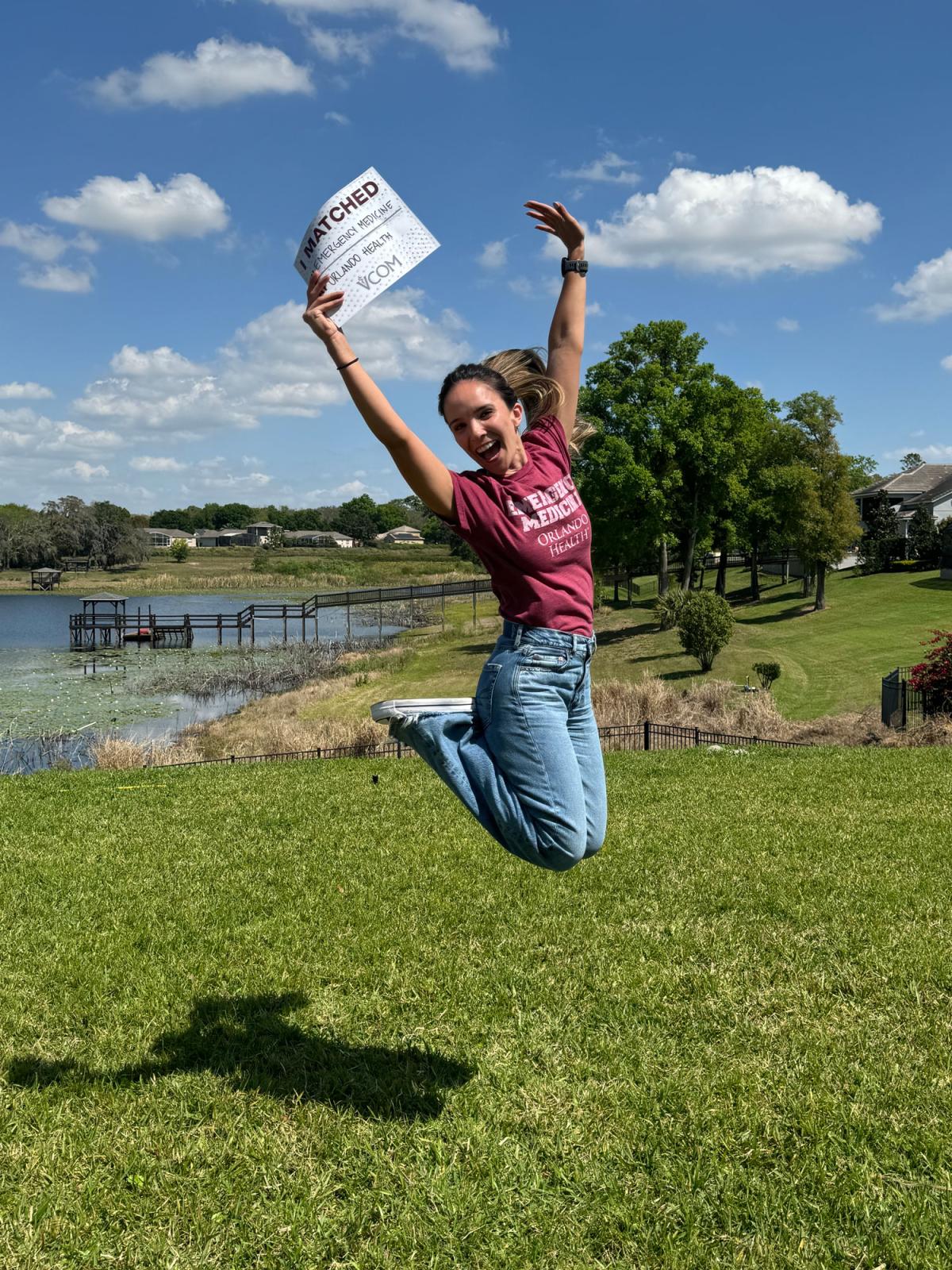
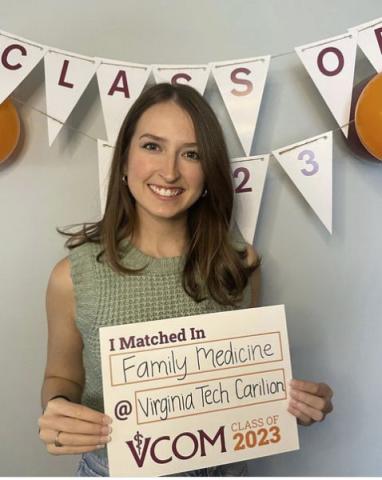
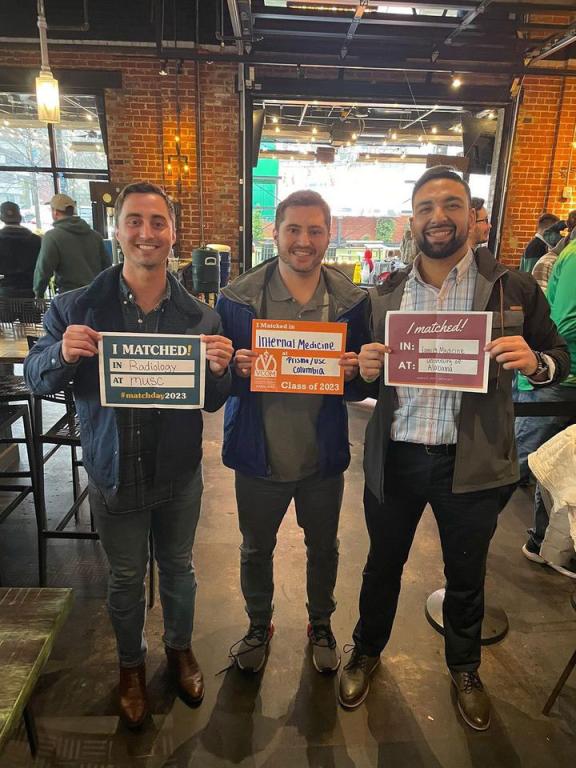
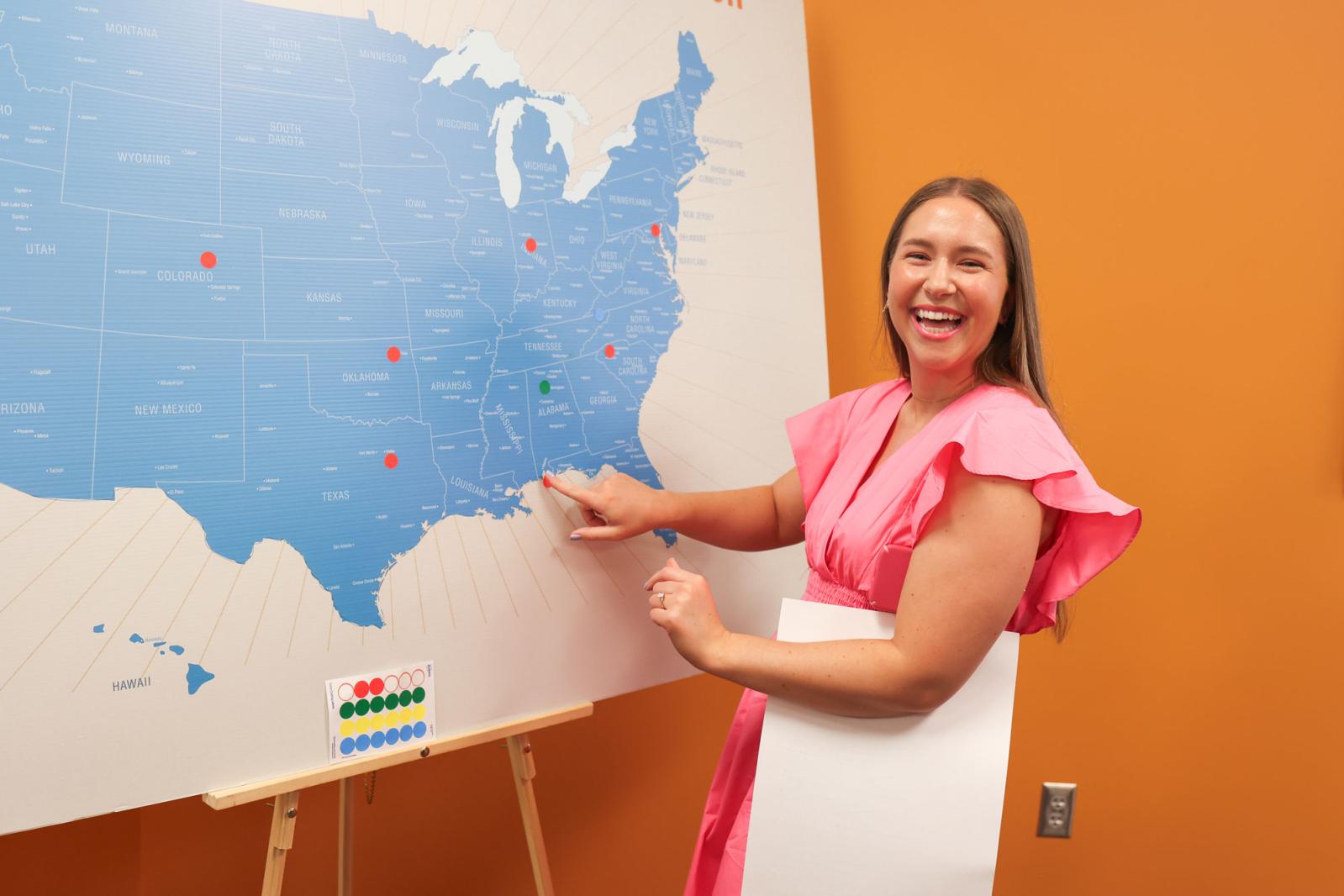
Match Day is celebrated nationwide with ceremonies, family gatherings, and campus events. Each VCOM campus has its own celebration each year, and if you follow any of VCOM’s social media accounts, on Match Day you’ll see lots of excited future doctors!
In the weeks following Match, residency program directors will send information to matched students about what to expect, including onboarding information and a job contract. Here’s a reel from a VCOM grad that breaks it down: What to Expect After You Match into a Residency Program
Common Questions
Do DO students compete directly with MD students?
Yes, and DO students have an excellent track record of matching successfully across a wide range of specialties, particularly in primary care, rural medicine, and community focused programs.
Are there residencies that prefer osteopathic students?
Many programs value osteopathic training, including its emphasis on holistic care and musculoskeletal medicine. Some programs have historically strong DO representation.
Does board exam choice matter?
COMLEX-USA is the required board exam for DOs, while the USMLE is the equivalent exam for MDs. However, a small proportion of DO students choose to take both board exams.
VCOM provides advising to help students make informed decisions based on specialty goals.
How Does the Military Match Fit In?
Students pursuing careers in the U.S. military (Army, Navy, or Air Force) participate in a separate military match process, which occurs earlier than the civilian Match.
Military match results are typically released in December.
- Students who match into a military residency are withdrawn from the NRMP Match.
- Those who do not match in the military system may still participate in the civilian Match.
Military residencies involve unique service commitments and training structures, and students receive specialized advising throughout the process.
VCOM has a strong tradition of preparing physicians for military service and consistently graduates a significant number of students into military medicine each year. In fact, VCOM is the second-largest producer of military physicians in the nation, behind only the Uniformed Services University of the Health Sciences (USUHS).
What If a Student Does Not Match at All?
While distressing, not matching is not the end of the road. Options may include:
Pursuing a preliminary or transitional year
- Strengthening an application and reapplying
- Exploring research, additional clinical experience, or alternative pathways
VCOM provides advising, advocacy, and structured support to students navigating this outcome.
Want to learn more? Here’s an article from AACOM: What to do if you don't match into residency
Reassurance for Families and Future Students
The Match can feel opaque and intimidating. For students, it can feel like judgment on their professional future. To friends and family, it can be especially difficult to understand the process and know how to support loved ones through it. However:
The vast majority of VCOM students successfully match into residency programs.
- Advising and preparation begin early in medical school, and all VCOM campuses have very good Match rates.
- The system is designed to prioritize student preferences.
- There are structured safeguards and alternatives for students who encounter challenges.
Residency placement is not about a single moment—it reflects years of preparation, mentorship, and growth.