On Match Day each spring, many medical students around the country find out which residency program they will call home as they continue their medical education. But while many students participate in that civilian residency match, students pursuing military service follow a different timeline and process, reflecting the structure and workforce needs of the armed forces.
Military Match and the Health Professions Scholarship Program
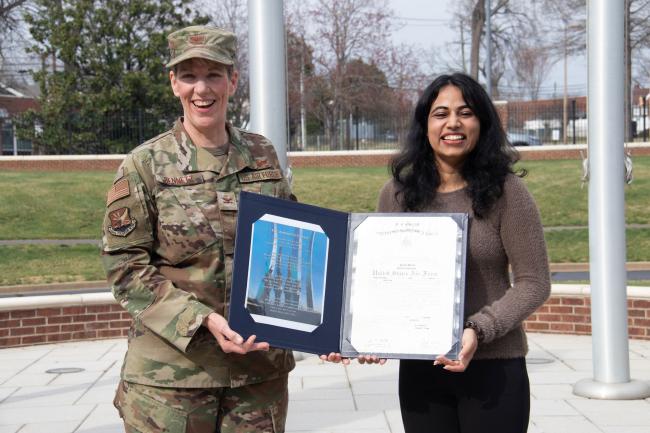
VCOM participates in the Health Professions Scholarship Program (HPSP), which supports medical students who commit to serving as physicians in the U.S. Army, Navy, or Air Force. Students selected for HPSP take part in the Military Match, a process that is fully administered by the Department of Defense and takes place in December.
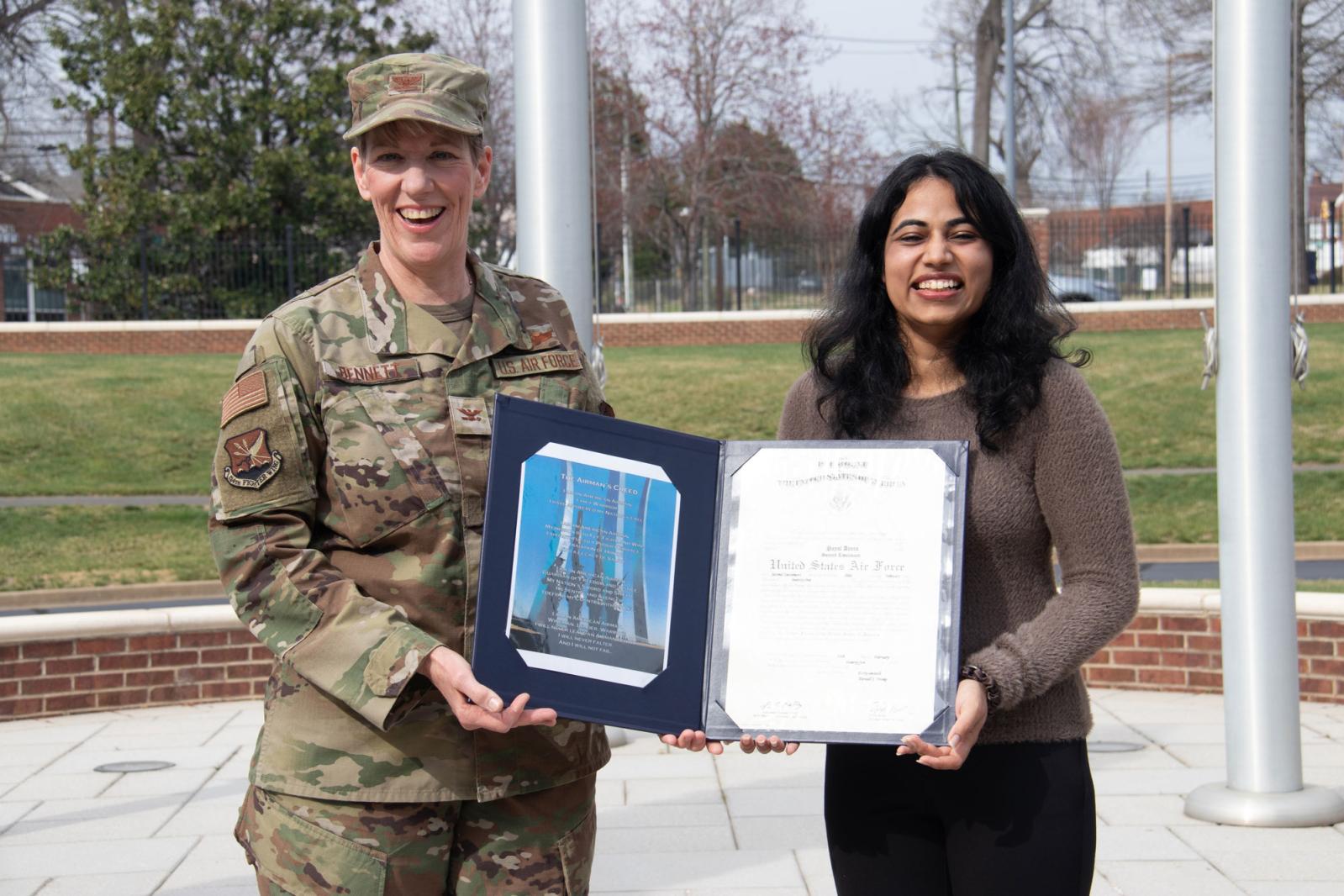
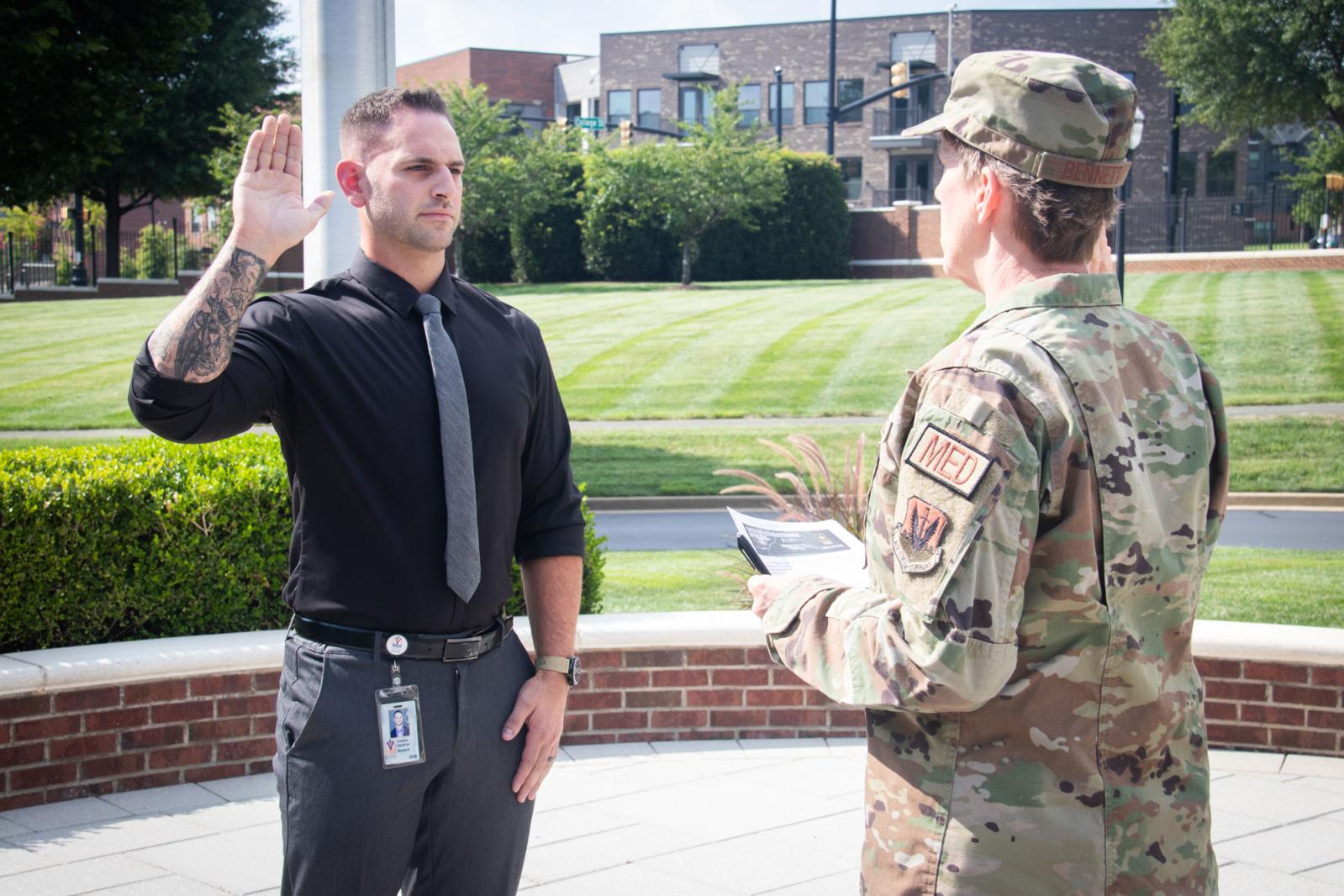
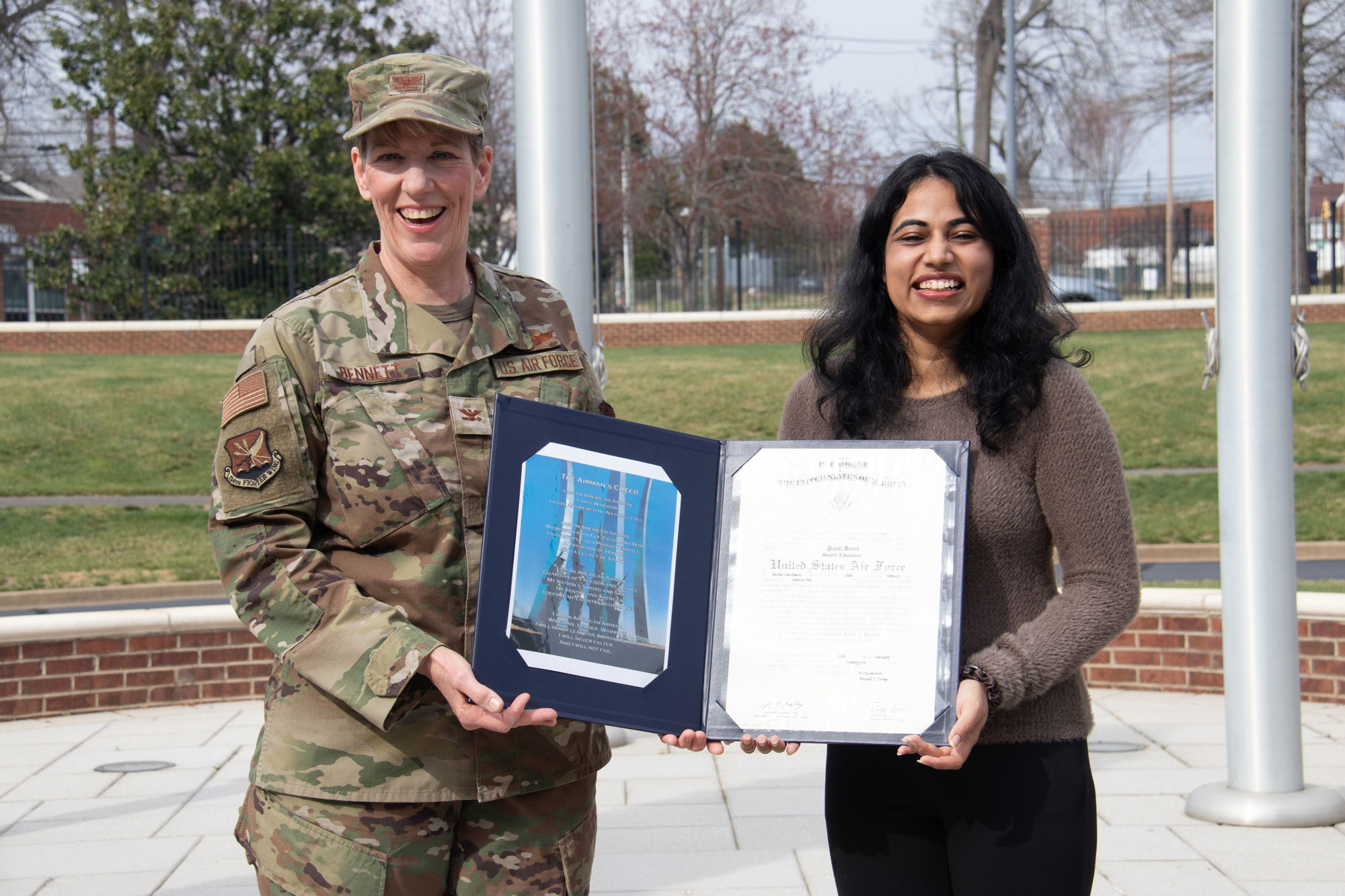
“The military match is totally run by the military and occurs in the fall of our students’ fourth year for HPSP scholars,” said Lora L Bennett, MD, Col, IDANG, SFS, associate dean for OMS-IV and graduate medical education at VCOM-Carolinas, where she oversees military student advising.
The military match process begins early in the final year of medical school. HPSP students typically complete interviews and specialty auditions during July, August, and September before submitting their applications and preferences to the Joint Graduate Medical Education Selection Board (JGMESB) by mid-October.
“The Board meets between the end of October and early December,” Bennett said. “All three branches—the Army, Navy, and Air Force—are represented, along with program directors from each specialty and military treatment facility.”
Students at the Uniformed Services University of the Health Sciences (USUHS) are required to match into military residency programs and get matched first. Remaining residency positions are then offered to HPSP students from medical schools across the country, including each of the VCOM campuses.
Just as in civilian life, some residency positions may be limited or highly competitive, such as general surgery, obstetrics and gynecology, or orthopedics. Workforce needs can also influence outcomes, particularly in high-demand fields like emergency medicine. When military residency positions are unavailable or filled, students may be directed into alternative training pathways.
“One option is a civilian deferment, where the student participates in the civilian match the following spring through the National Resident Matching Program,” Bennett explained. “Another option is a civilian-sponsored residency, which is fully funded by the military.”
In a civilian-sponsored position, the military covers the resident’s salary and benefits, making the placement especially attractive to civilian residency programs. “These programs gain an additional resident they do not have to fund,” Bennett said, noting that this also benefits residency teams by expanding call coverage.
However, civilian-sponsored training carries an additional service obligation. “The downside for students is an increased active-duty service commitment,” Bennett said. “If a residency is four years long, that typically adds four additional years to their service obligation beyond the standard HPSP commitment.”
Supporting Military Students at VCOM
VCOM supports students pursuing military service through advising, campus organizations, and traditions that recognize their commitment. The Student Association of Military Osteopathic Physicians and Surgeons (SAMOPS) plays an active role in supporting military-affiliated students throughout their medical education.
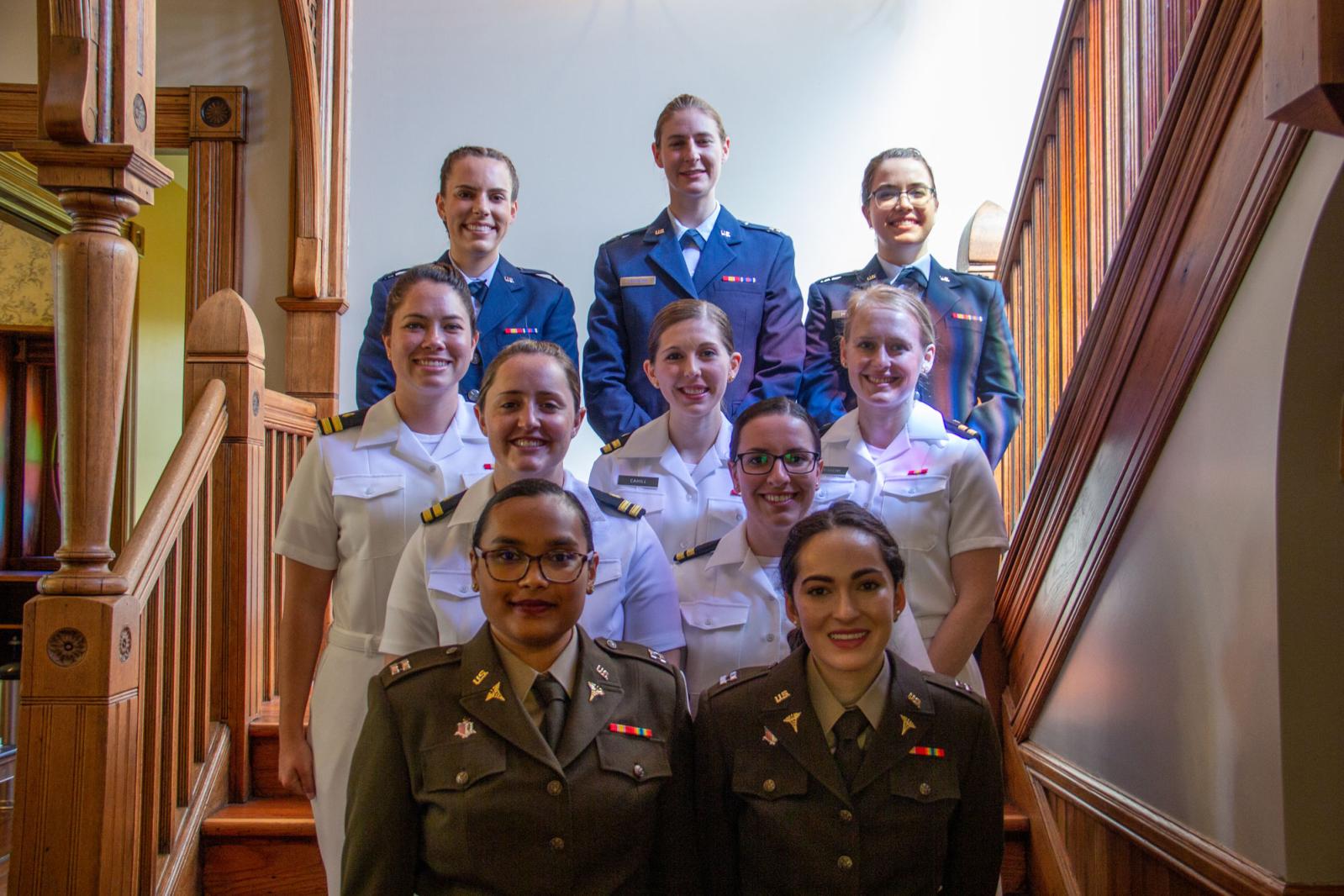
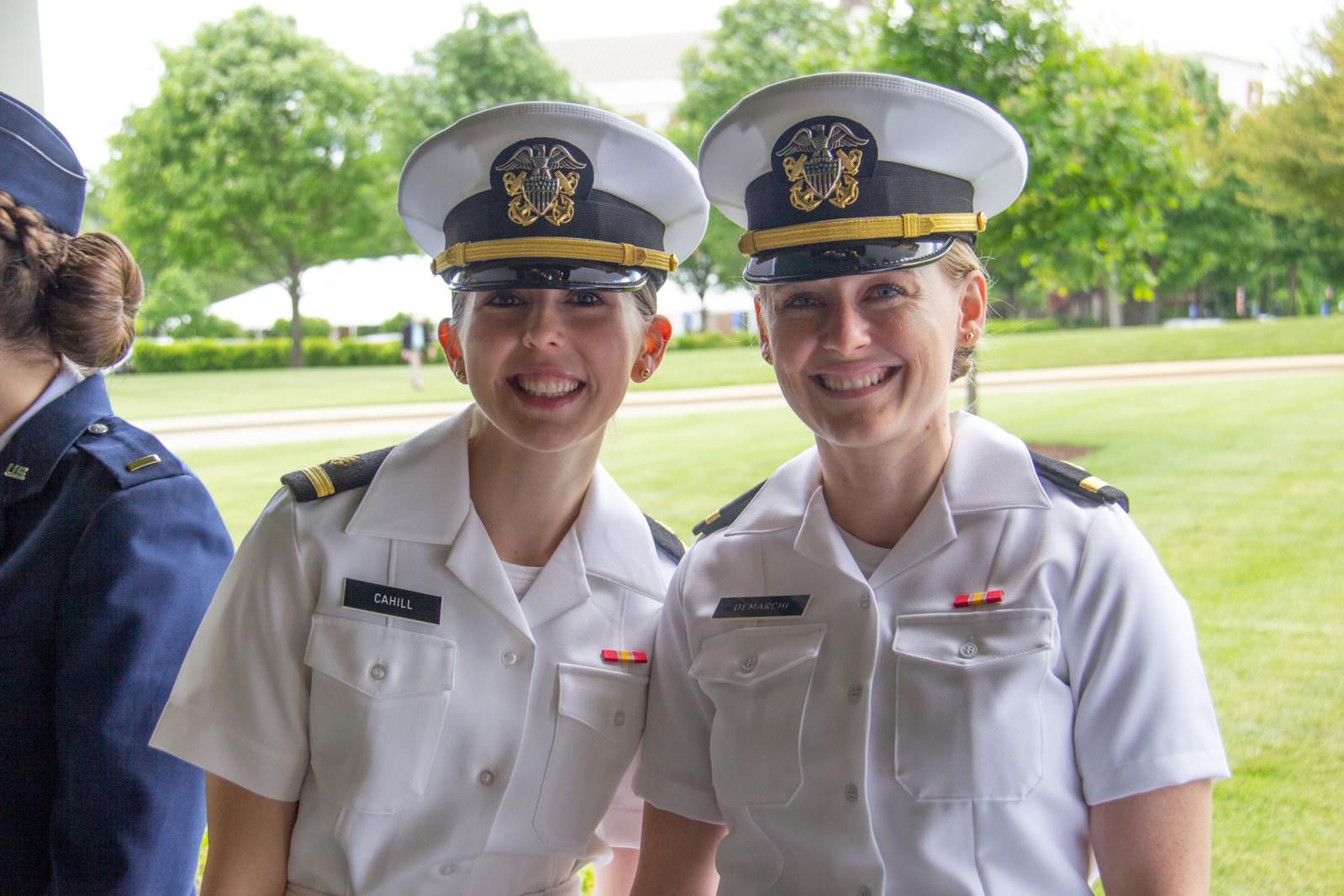
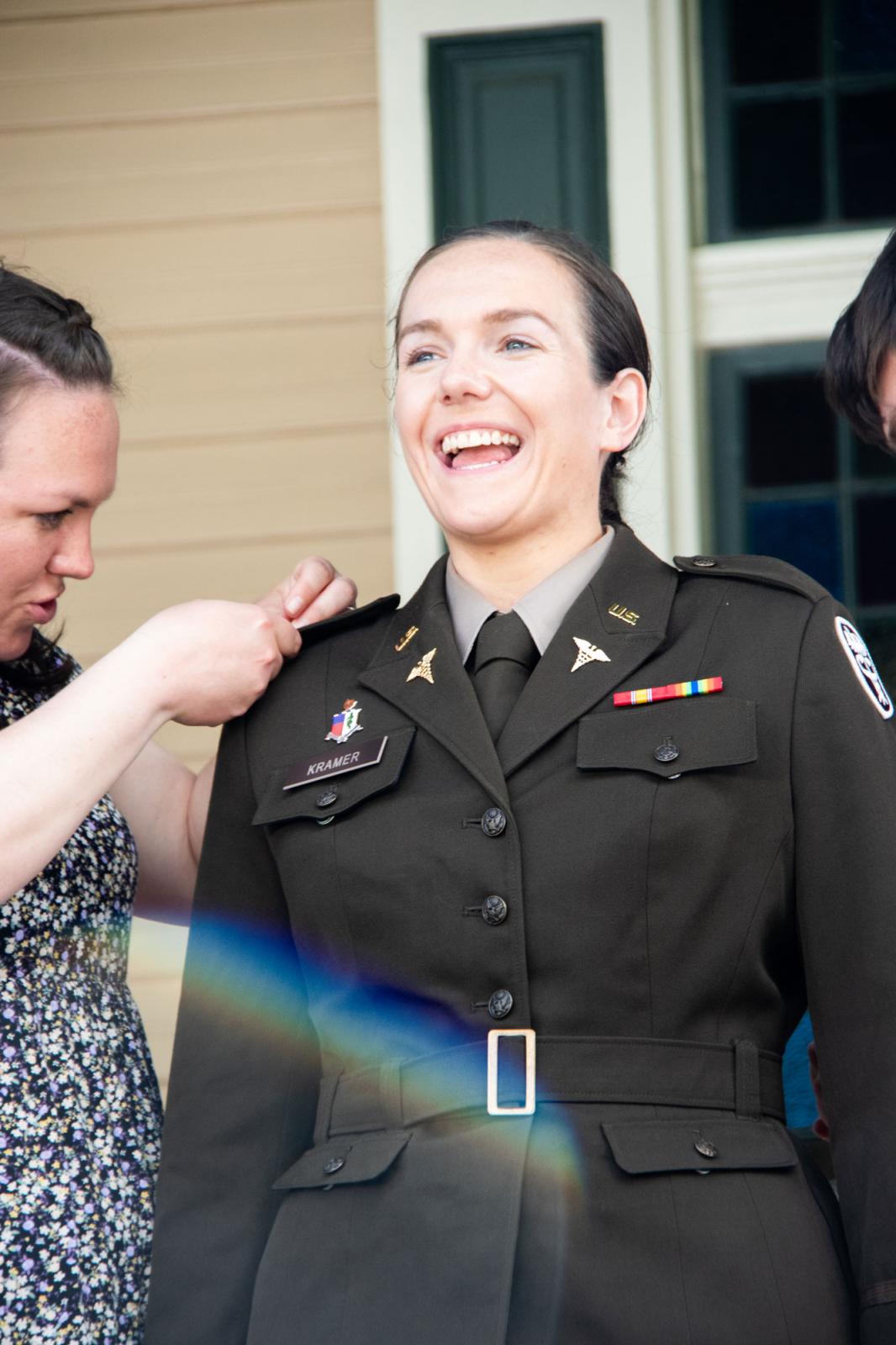
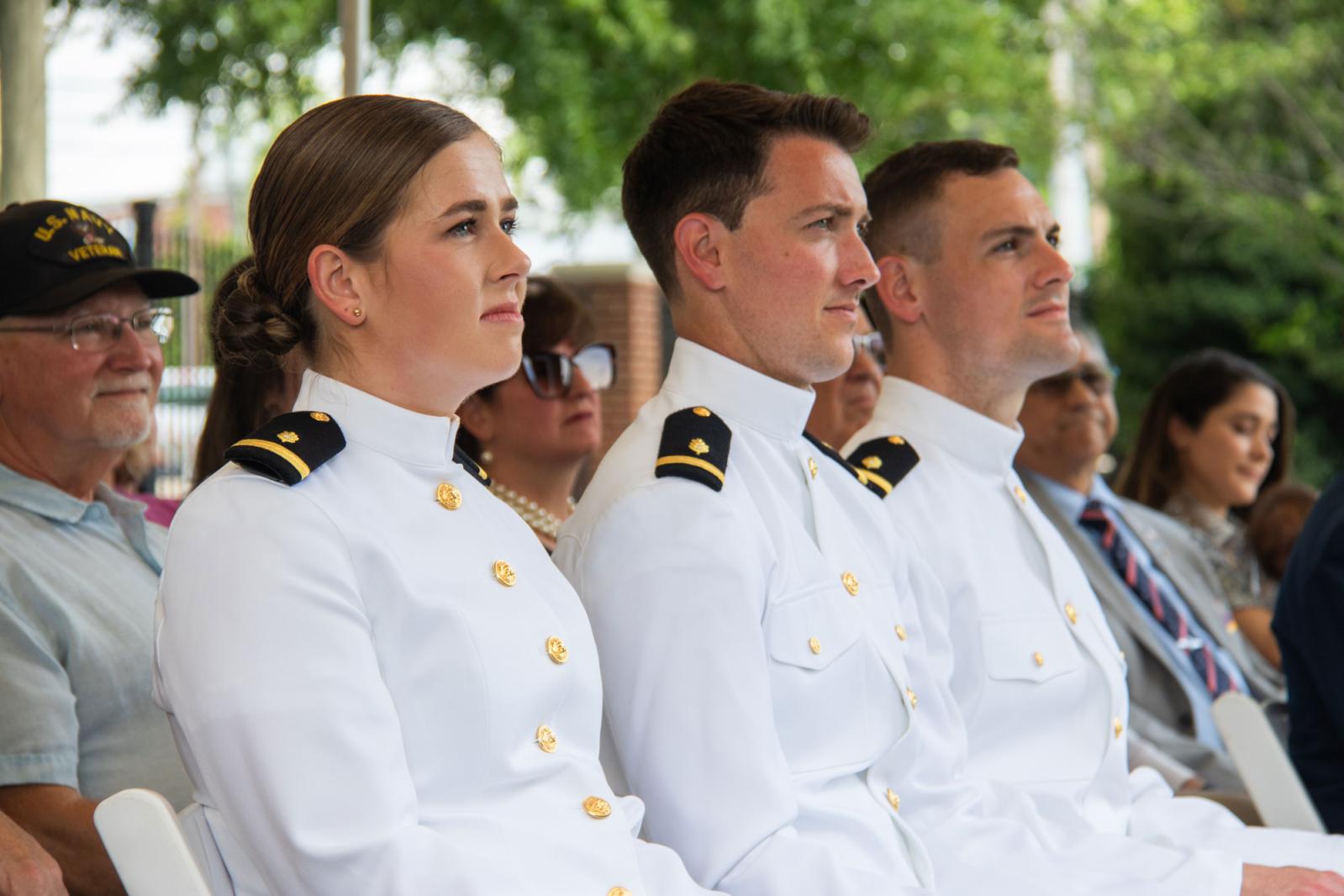
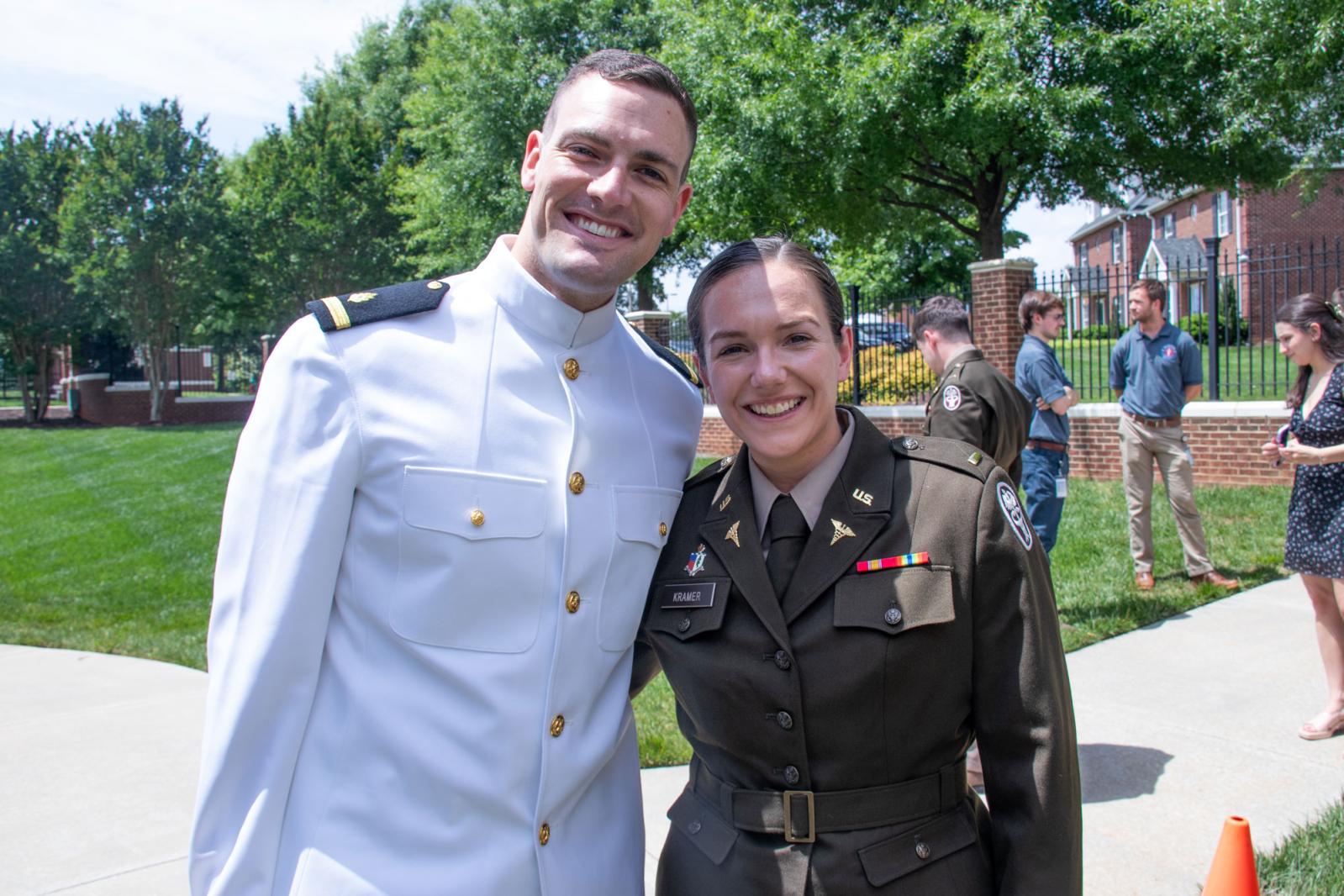
Each year during graduation week, each campus celebrates their military graduates with a military promotion ceremony, which honors students entering military service and marks an important milestone as they transition from medical school to residency and commissioned service.