Before she ever stepped into a pediatric residency program, Madison Capotosti, VCOM-Carolinas ‘26, had already practiced neonatal airway management, participated in pediatric simulations, rotated through the pediatric intensive care unit, conducted community screenings, and contributed to pediatric research.
Her experience was the result of a deliberate educational pathway designed by the VCOM-Carolinas Department of Pediatrics to prepare students—long before they begin residency training—for the unique challenges of caring for children.
Children often present differently than adults, so challenges extend beyond diagnoses and treatments. In addition, parents bring their own questions and concerns, and the youngest patients often cannot explain what hurts.
VCOM-Carolinas is working to bridge that gap through a hands-on Pediatrics curriculum that blends simulation, clinical experience, community service, research, and mentorship.
The goal is straightforward: Prepare students to care for children with confidence from their very first pediatric rotation through their first day as residents and beyond.
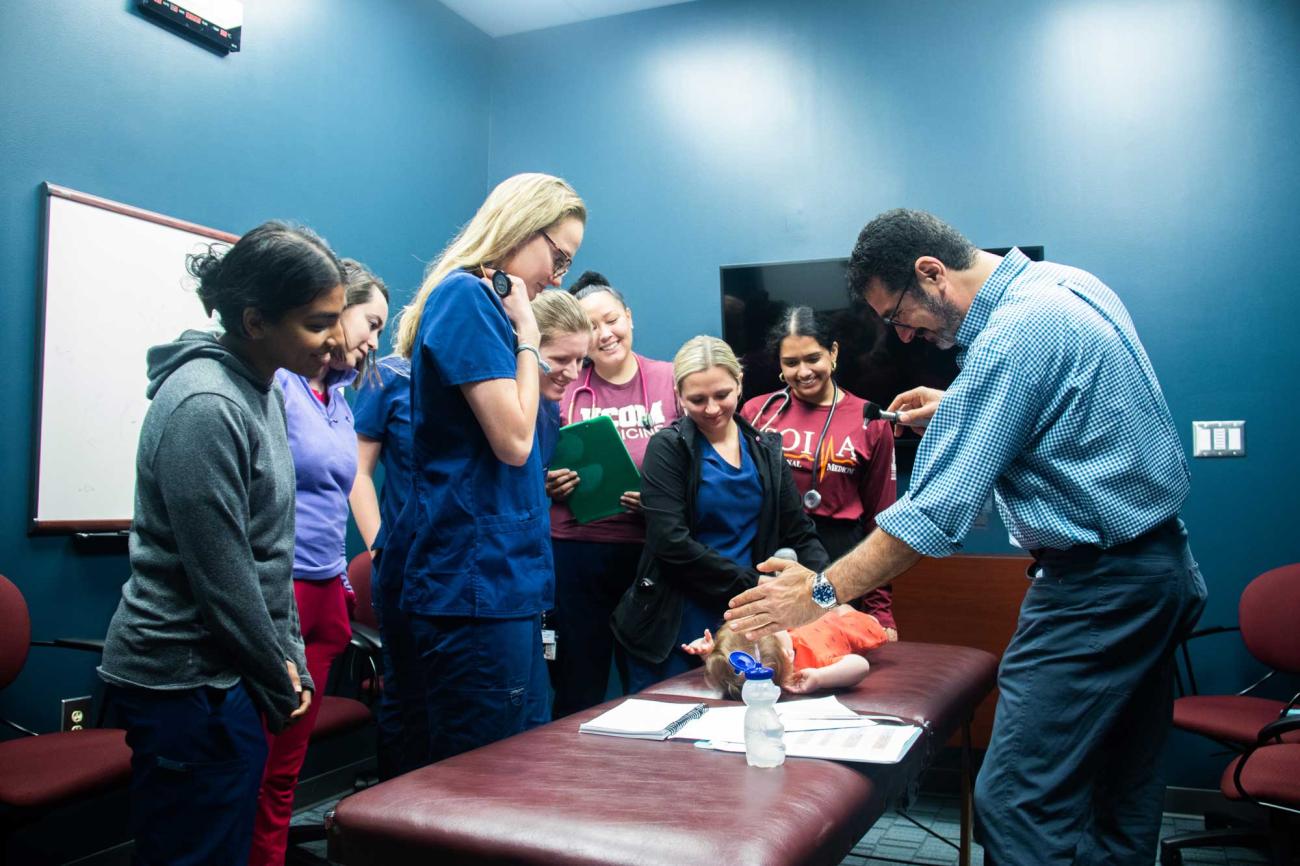
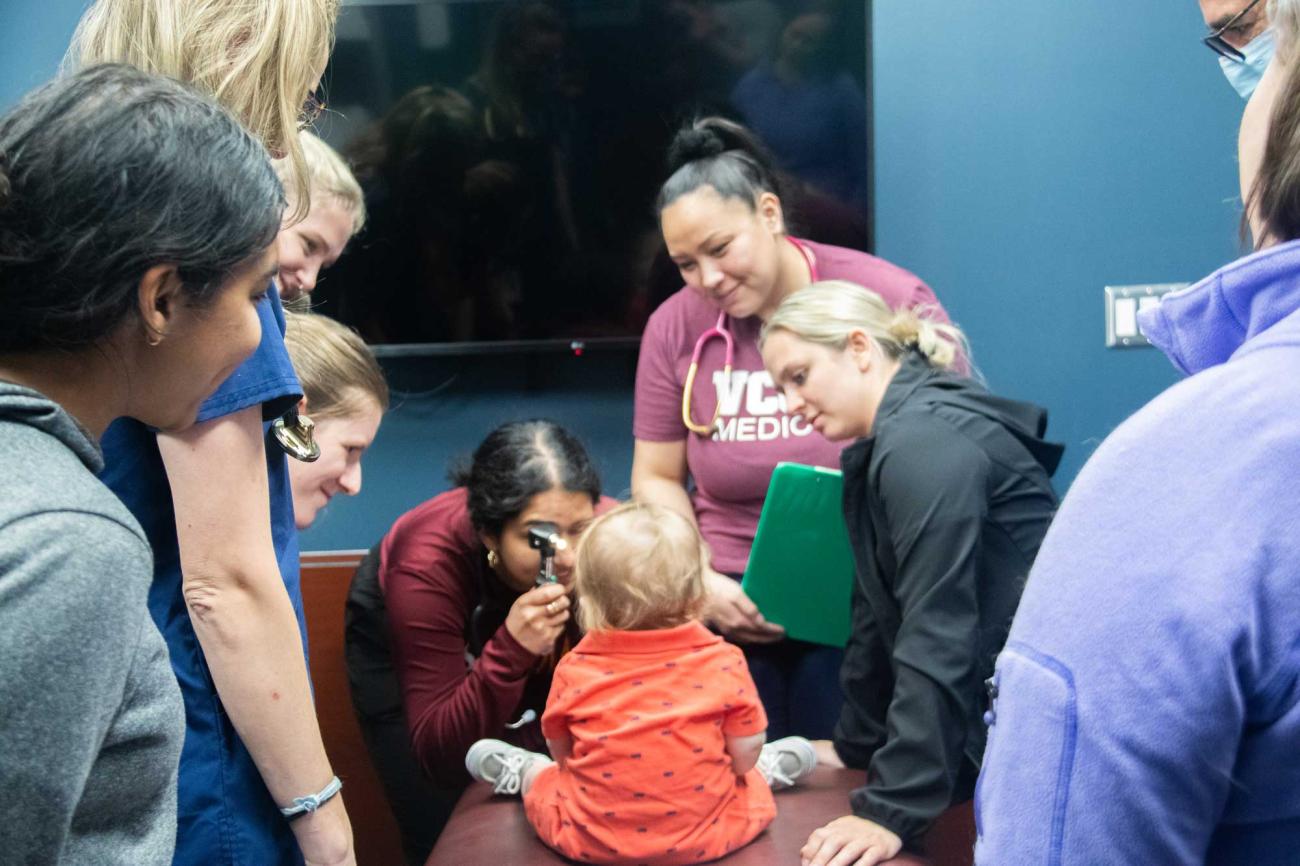
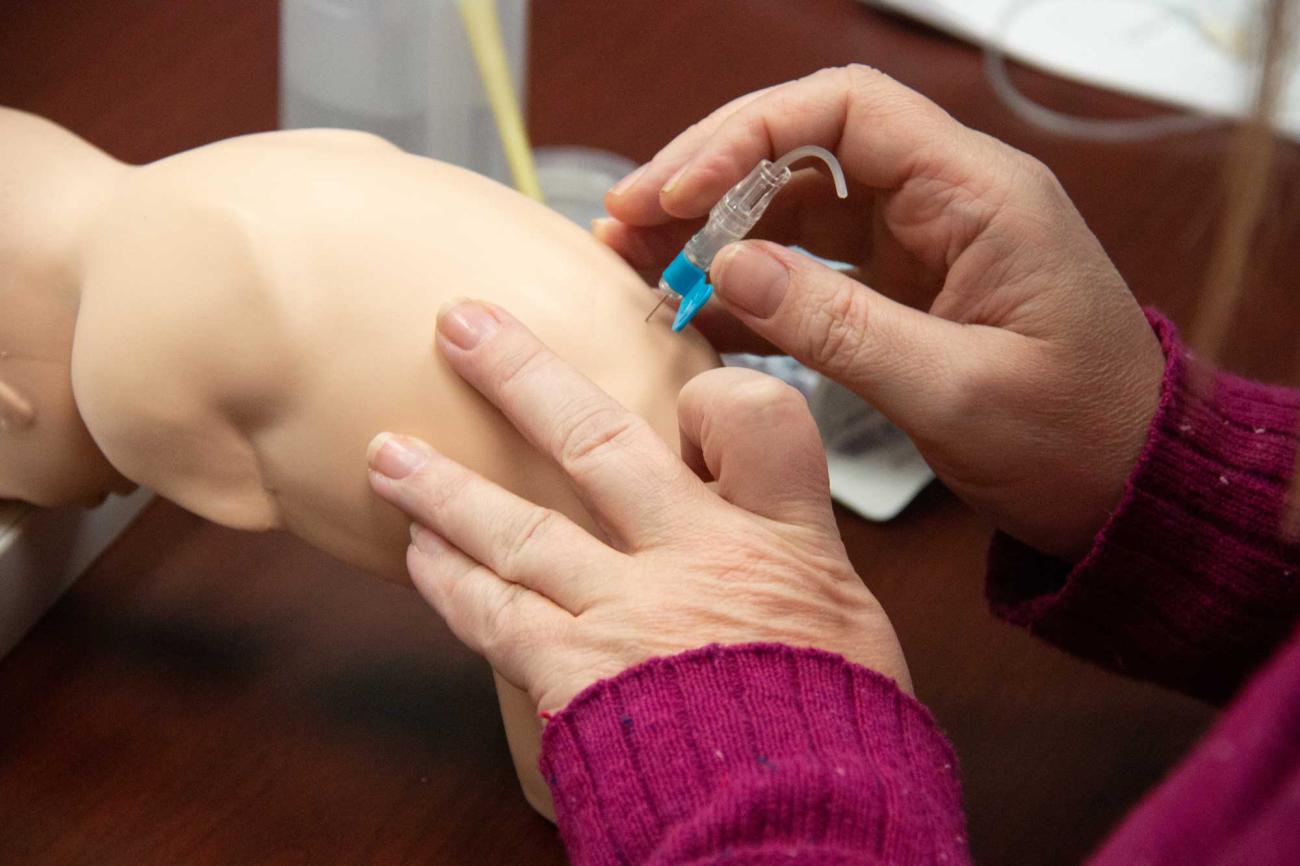
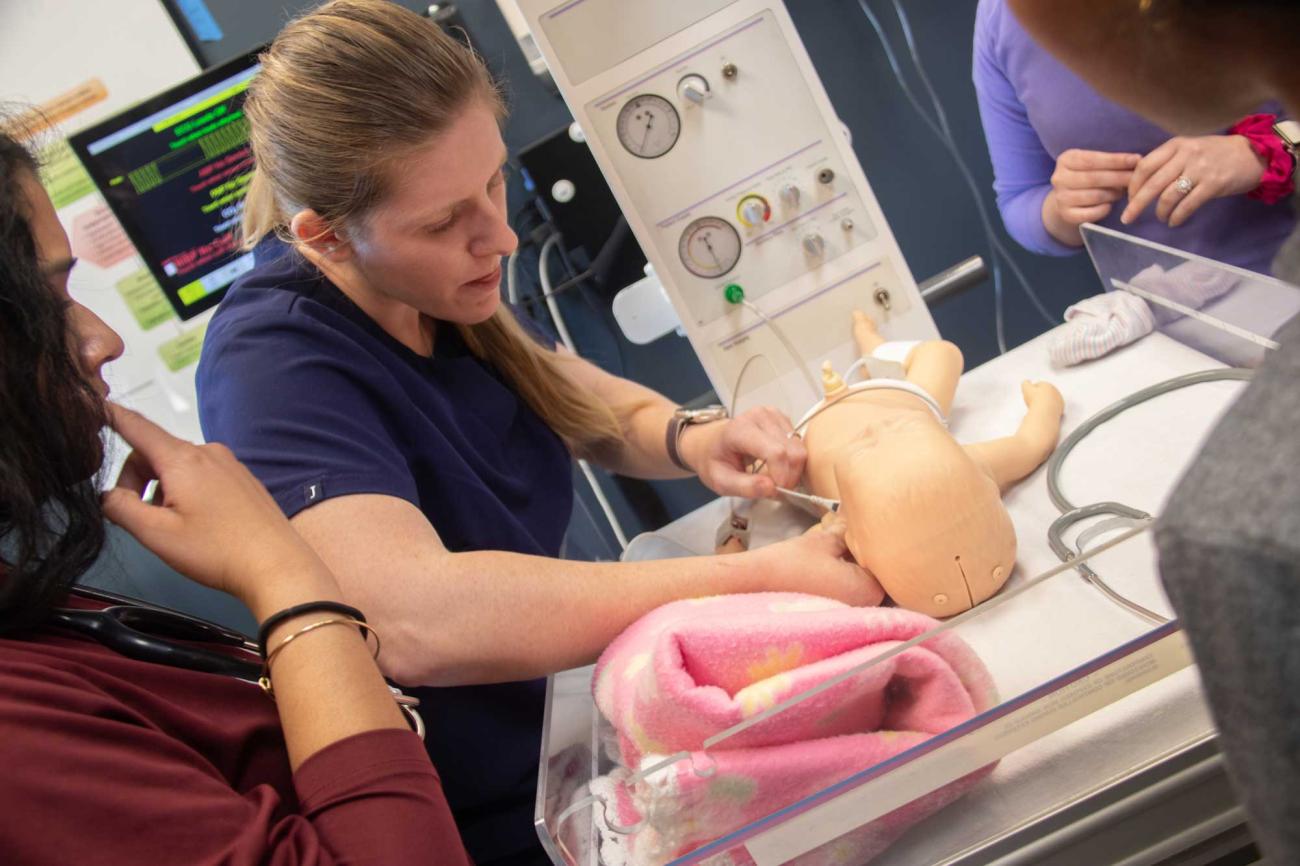
That preparation begins in the Pediatric and Neonatal Skills course, known on campus as the Peds-Neo Boot Camp. Designed for second-year students preparing to enter clinical rotations, the program combines standardized patient encounters, simulation exercises, airway training, vascular access instruction, and educational games developed by faculty.
During Peds-Neo Boot Camp, students practice skills in a structured environment before applying them in clinical settings. Instead of encountering pediatric medicine for the first time during rotations, students arrive with foundational experience already in place.
“This event was AMAZING!!” one student said about the boot camp. “I want to go into peds, and having this hands-on experience helped to enhance my peds knowledge and reinforce my love for peds. My excitement remains for the field, and I am glad I was able to participate.”
Training continues in the Pediatric Intensive Care Unit rotation and PICU Boot Camp, which introduces learners to procedures and concepts commonly encountered in pediatric critical care, including intubation, vascular access, bronchoscopy, lumbar punctures, toxicology, diabetic emergencies, and mechanical ventilation. Clinical faculty members Hanna Sahhar, MD, and Sami Rishmawi, MD, guide students through both simulation-based learning and real-world clinical applications, helping ease the transition from medical student to resident physician.
Innovation has long been a defining characteristic of VCOM-Carolinas' pediatric program, driven by Dr. Sahhar's relentless commitment to improving the way medicine is taught. While serving simultaneously as chair and professor of Pediatrics at VCOM-Carolinas and in multiple leadership roles at Spartanburg Regional Healthcare System—including medical director of the Pediatric Intensive Care Unit and director of the Pediatric Hospitalist Program—he continually looks beyond today's methods in search of better ones.
When Dr. Sahhar identifies a gap in medical education, he doesn't wait for someone else to solve it. He designs the solution himself. Drawing on emerging technologies such as 3D printing, he has created educational tools that simply did not exist, transforming ideas into practical resources for the next generation of physicians.
Among these innovations are medical simulation games and bronchoscopy training models that allow students to develop procedural skills in a safe, controlled environment before ever performing them on patients. The result is a rigorous learning experience leading to more confidence, reinforcing Dr. Sahhar's belief that exceptional physicians are built through thoughtful preparation, deliberate practice, and a willingness to continually improve.
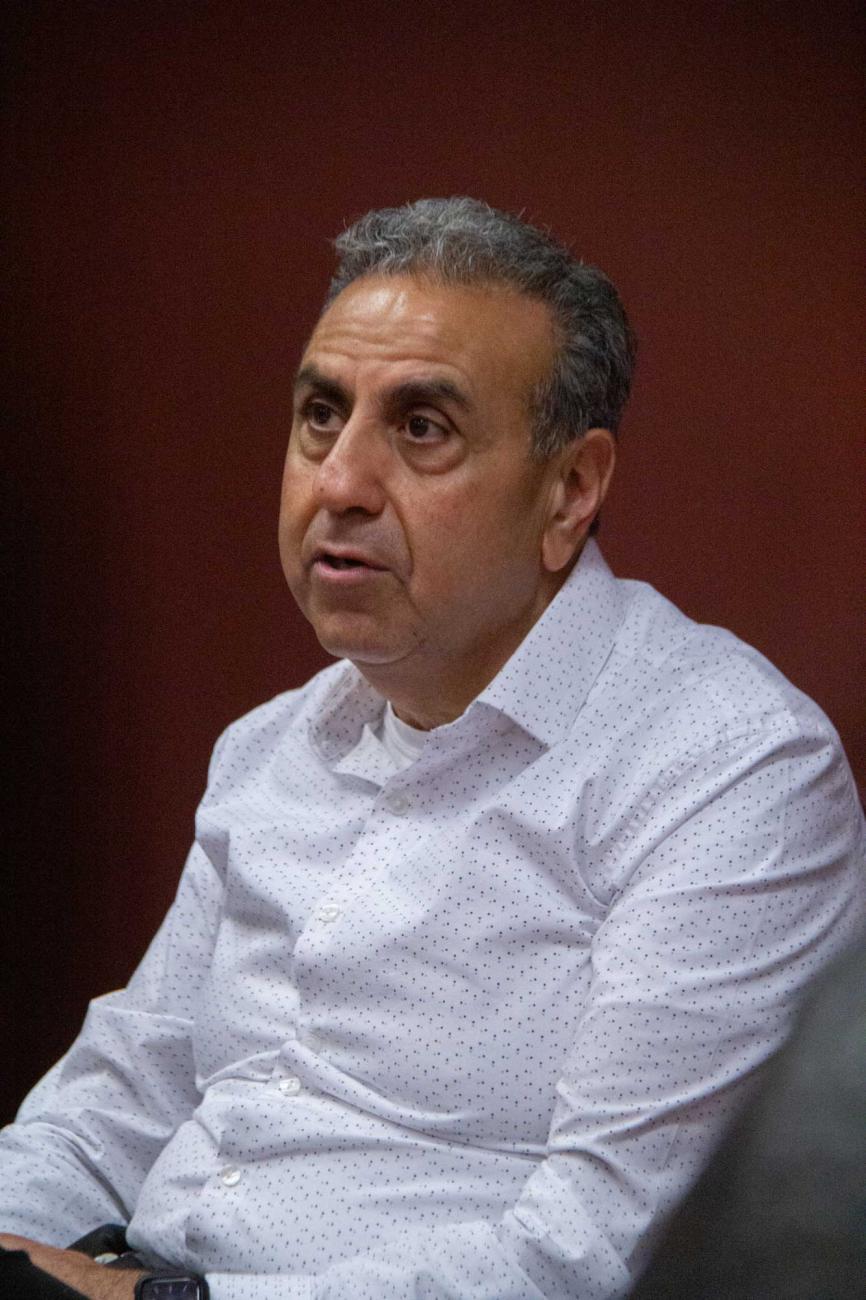
“After thirty years as a pediatrician and pediatric critical care specialist, I have come to see teaching and mentoring as an extension of caring for children,” said Dr. Sahhar. “I have devoted my professional life to children—sometimes at the bedside and sometimes by preparing others to stand at the bedside. Every physician I help prepare will care for children and families I may never meet, which is why I think of teaching as patient care multiplied. That same purpose drives my interest in new technologies and training methods. I do not pursue innovation simply because something is new; I pursue it when it can solve a real educational problem and help a learner practice safely before a child depends on that skill. What keeps me doing this is the belief that children deserve physicians who are prepared, confident, compassionate, and always willing to become better.”
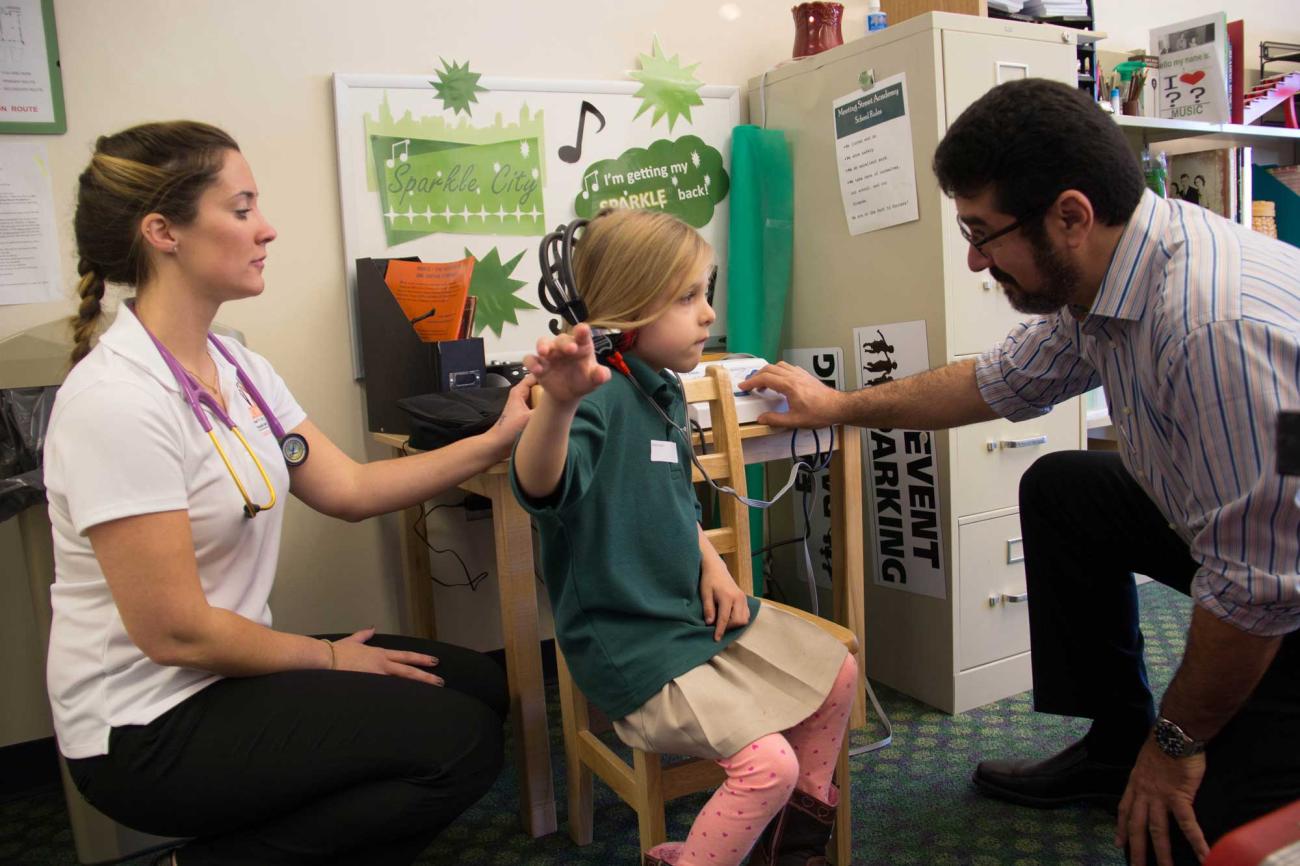
The department's impact extends beyond classrooms and hospital units. Through outreach projects with Meeting Street Academy, students and faculty members provide pediatric screenings and comprehensive physical examinations for local children. These experiences reinforce VCOM's mission of serving underserved communities while exposing future physicians to the importance of preventive care and community engagement.
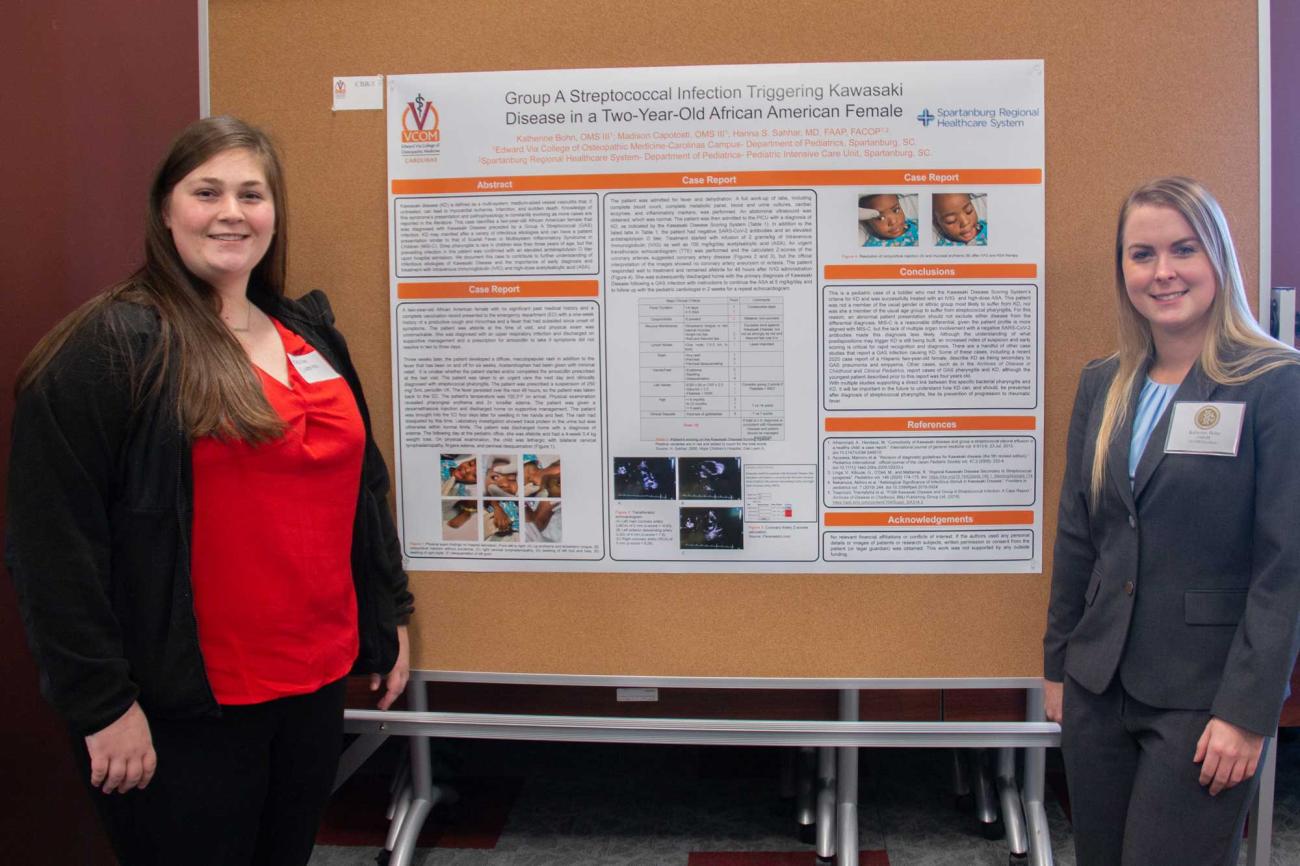
Research also remains a significant focus. During the past academic year, pediatric faculty and students collaborated on numerous publications, presentations, and scholarly projects. Topics ranged from pediatric asthma management and febrile seizures to vaccine uptake, newborn care, developmental delays, and rare pediatric conditions. Several projects were presented at VCOM Research Day and national conferences, while others were accepted for publication in peer-reviewed journals.
Perhaps the clearest measure of success can be seen in this year's residency match results. Fourteen members of the Class of 2026 matched into pediatric residency programs across the country, including placements at Prisma Health, the Medical University of South Carolina, Wake Forest Baptist Medical Center, Nemours Children's Hospital, the University of Florida, and other respected training programs.
For the Department of Pediatrics, those matches are evidence that years of training, mentorship, service, and scholarship are translating into the next generation of pediatric physicians.
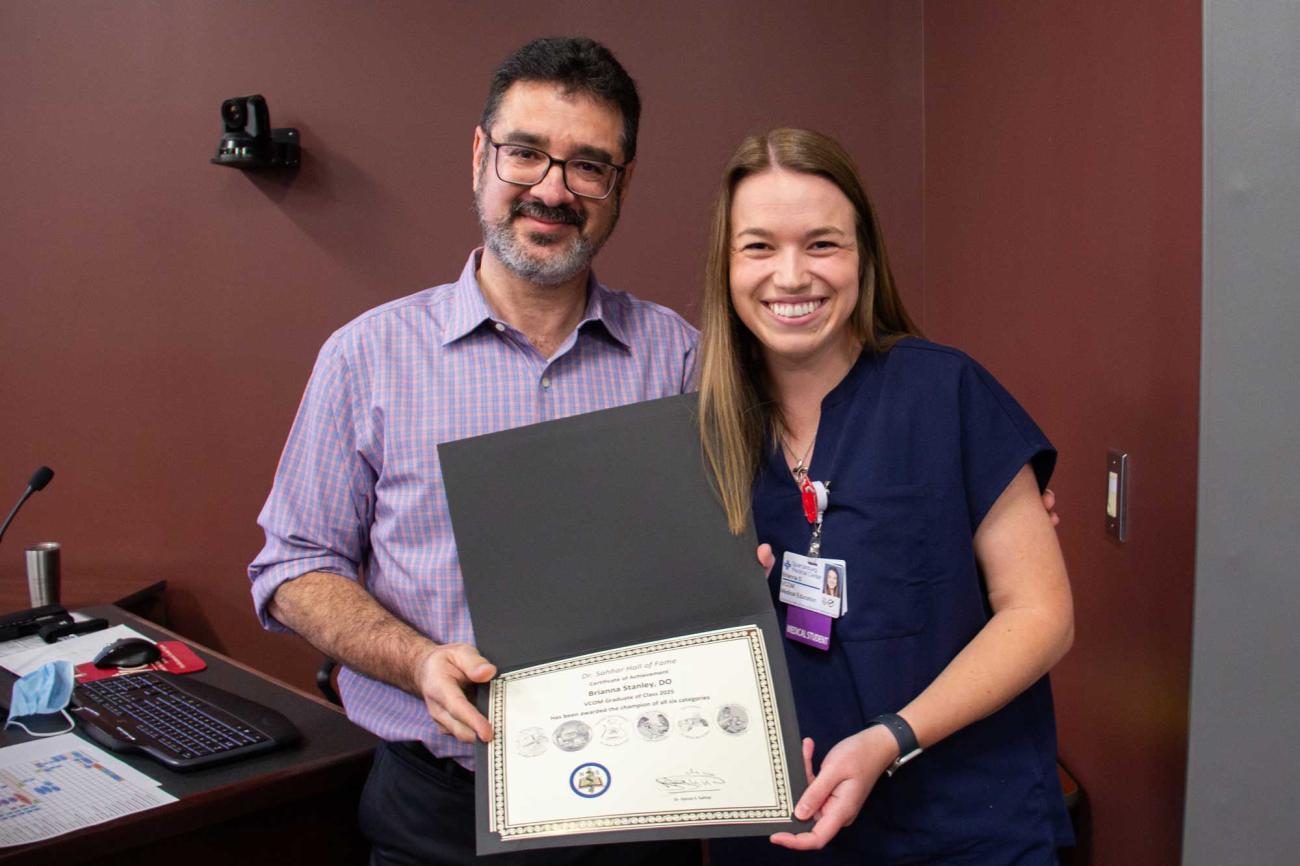
“I definitely feel that I had an encouraging start in residency from the background education I got in peds,” expressed Dr. Capotosti. “My 3rd year peds rotation at SRHS combined gen peds, newborn, and hospitalist service. I had the bonus of being able to do the PICU rotation with Drs. Sahhar and Rishmawi, which was a lot of valuable education in a small group setting. Dr. Sahhar helped me with research opportunities, and he also holds the boot camps every year. These were so helpful because it’s a lot of things you wouldn’t get introduced to until the first month of residency!”
Every simulation exercise, community screening, research project, and clinical rotation ultimately serves the same purpose: ensuring that when children and families need care, well-prepared physicians will be ready to answer the call.