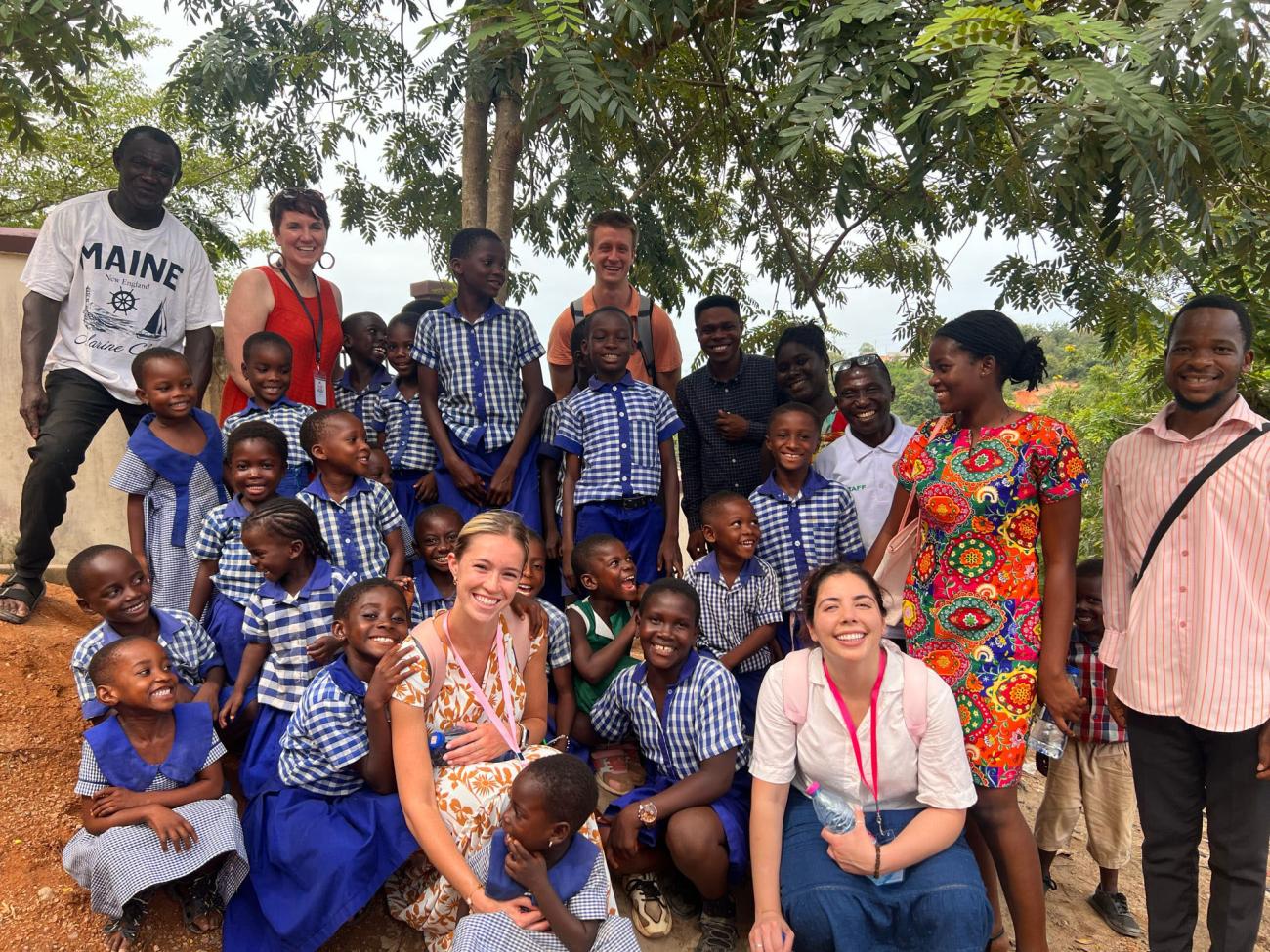
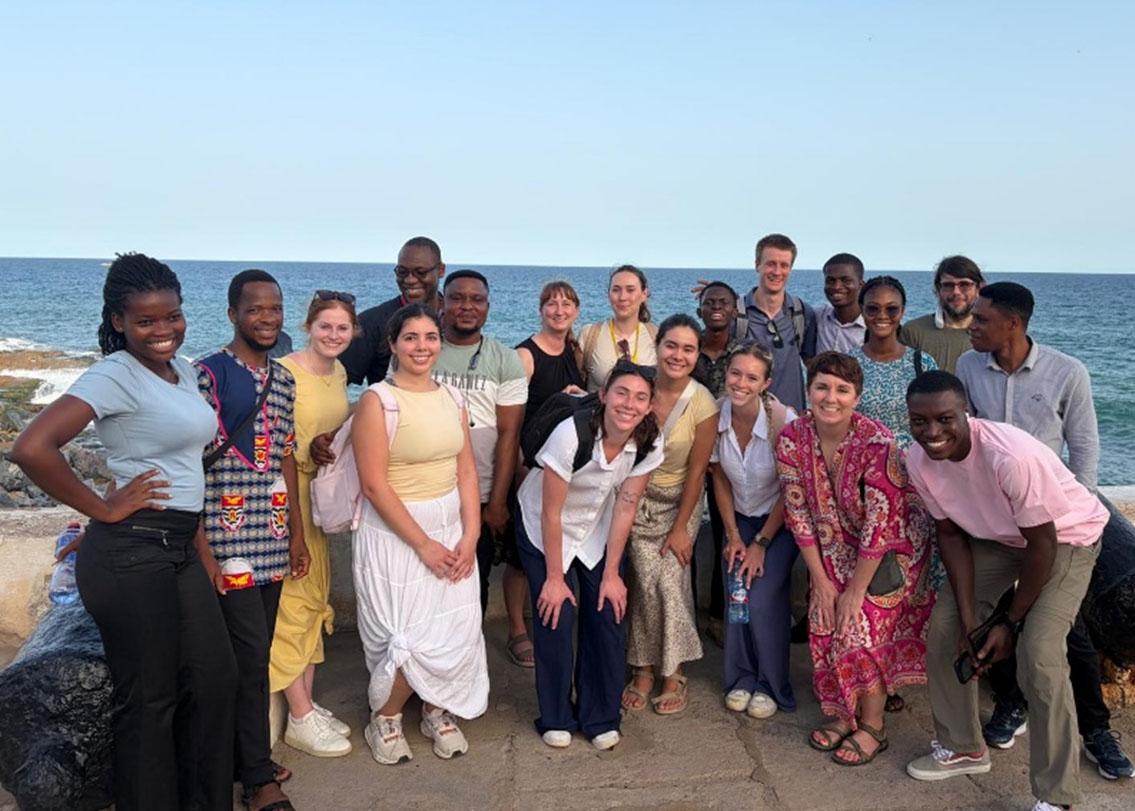
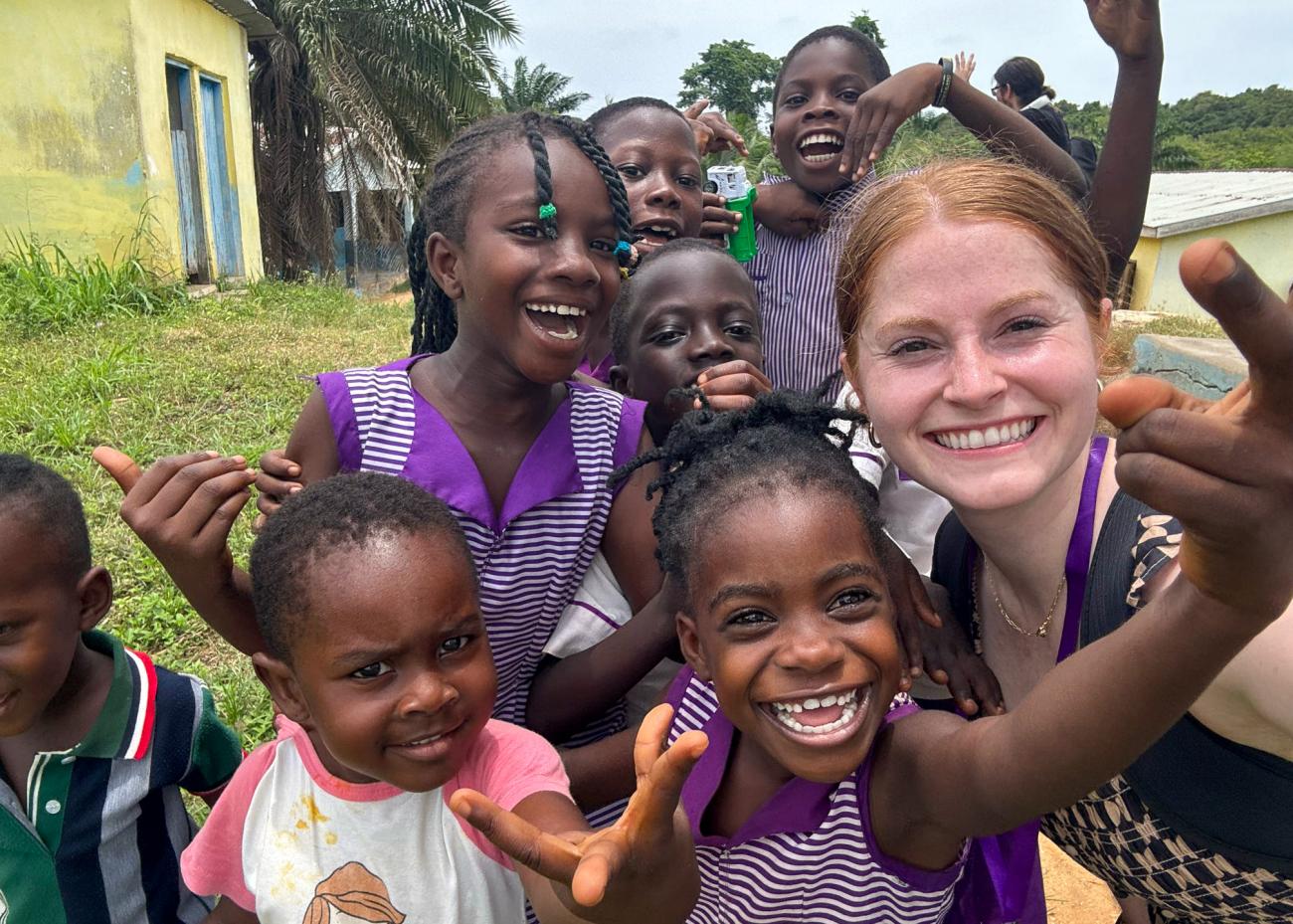
In late March 2026, students and faculty from the Edward Via College of Osteopathic Medicine (VCOM) traveled to Cape Coast, Ghana, for a week of immersive global health research focused on child nutrition. Working alongside partners at the University of Cape Coast, the team advanced an ongoing study supported by a VCOM Research Excellence Award Program (REAP) grant, with seven VCOM medical students assisting in data collection.
The international health research effort was led by VCOM-Virginia’s Bernard Kadio, MD, PhD, MPH, along with Amy Hicks, PhD, MPH, of VCOM-Carolinas and Jess Nicholson, MAT, MPH (C) of VCOM-Virginia, and included Caleb Bradberry, PhD, of Virginia Tech.
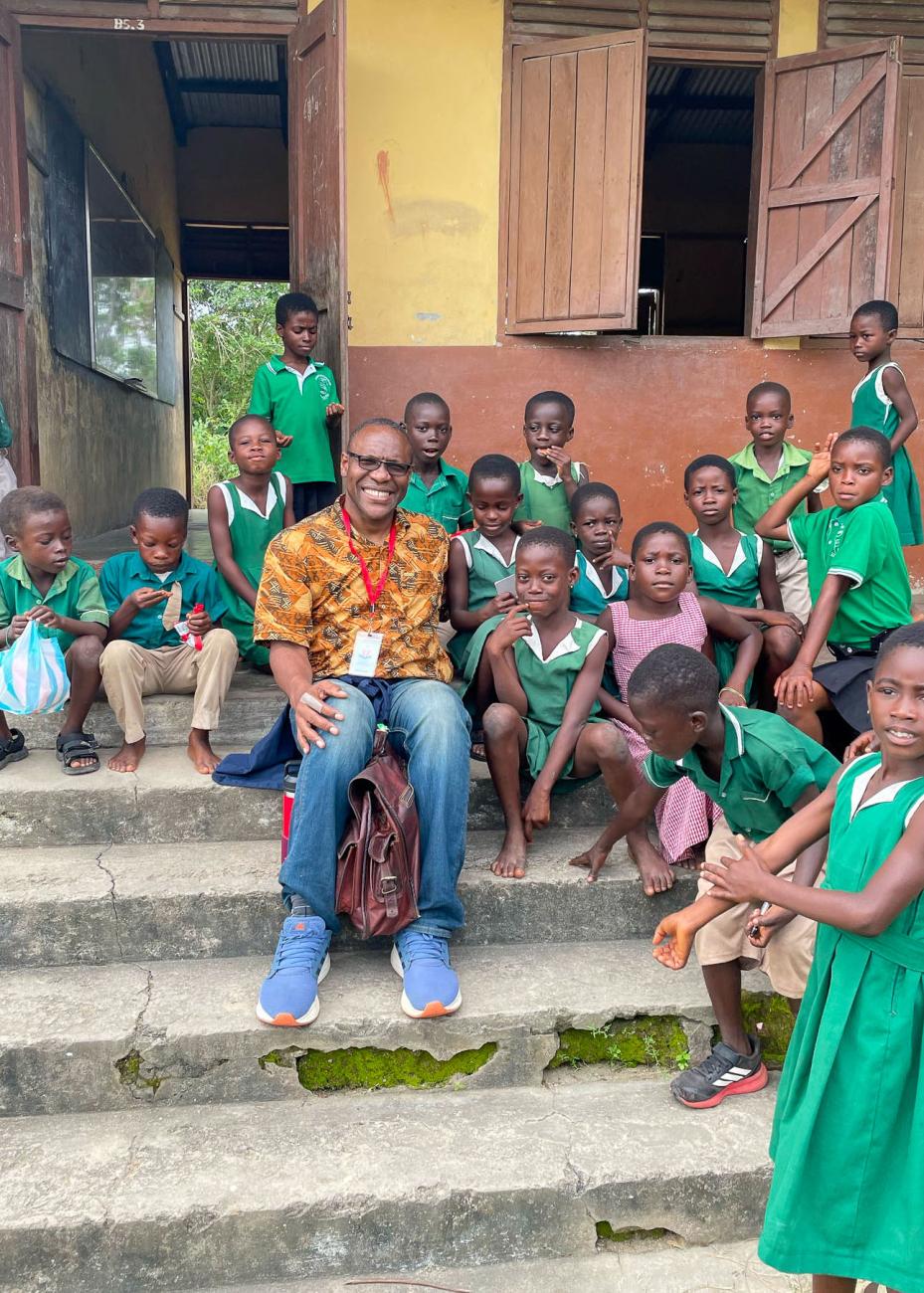
The vital initiative builds on a research partnership established in 2021 with Ghana’s national education and health services, focusing on child nutrition and population health. Recent UNICEF estimates show worsening childhood malnutrition in developing countries after COVID-19, contributing to 2.4 million child deaths in 2024 alone. During the weeklong visit, the team conducted fieldwork across 17 schools in the region, collecting data from nearly 800 children in second grade and below. Their work centered on assessing rates of malnutrition, specifically wasting and stunting, across different ages, sexes, and school environments.
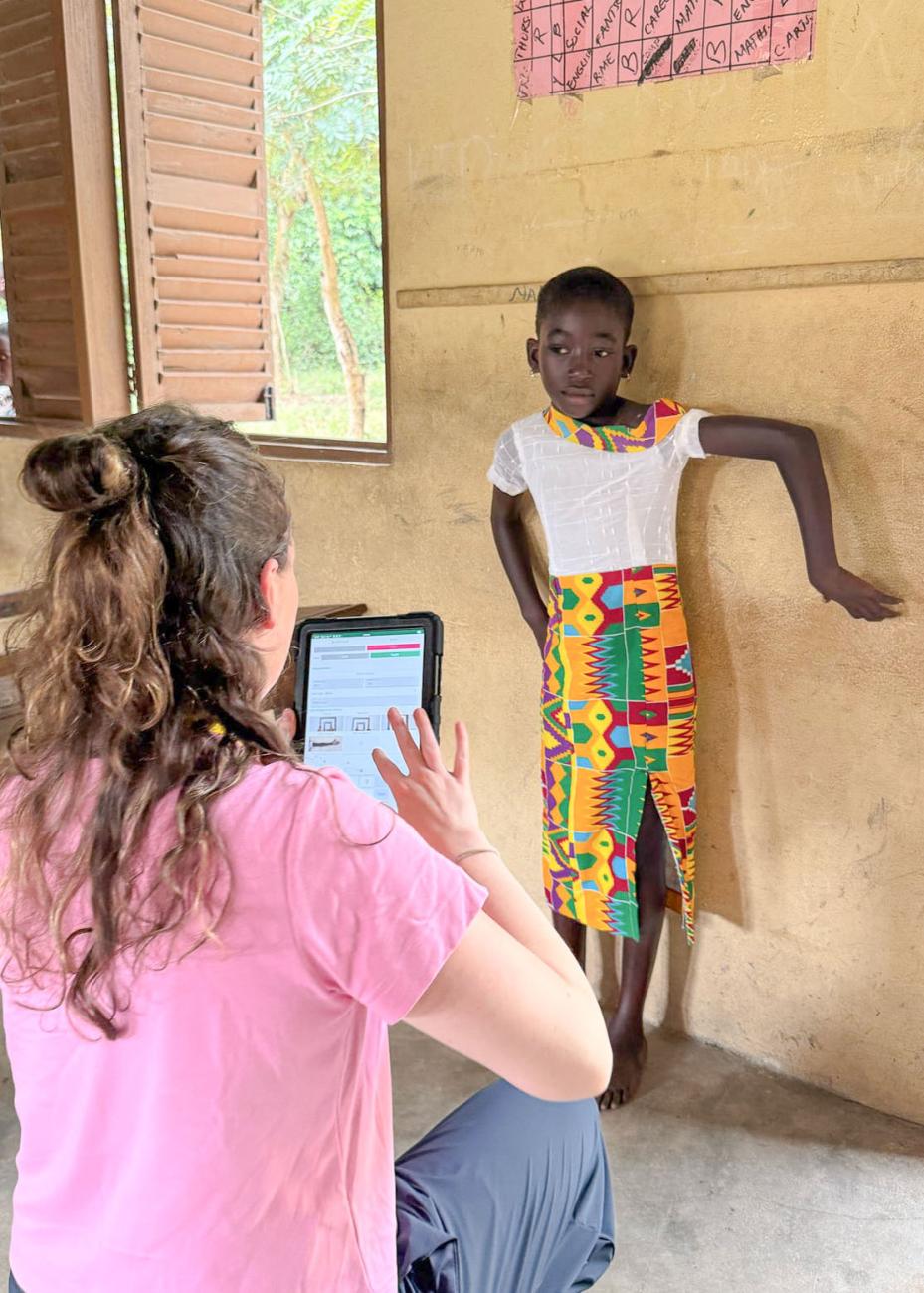
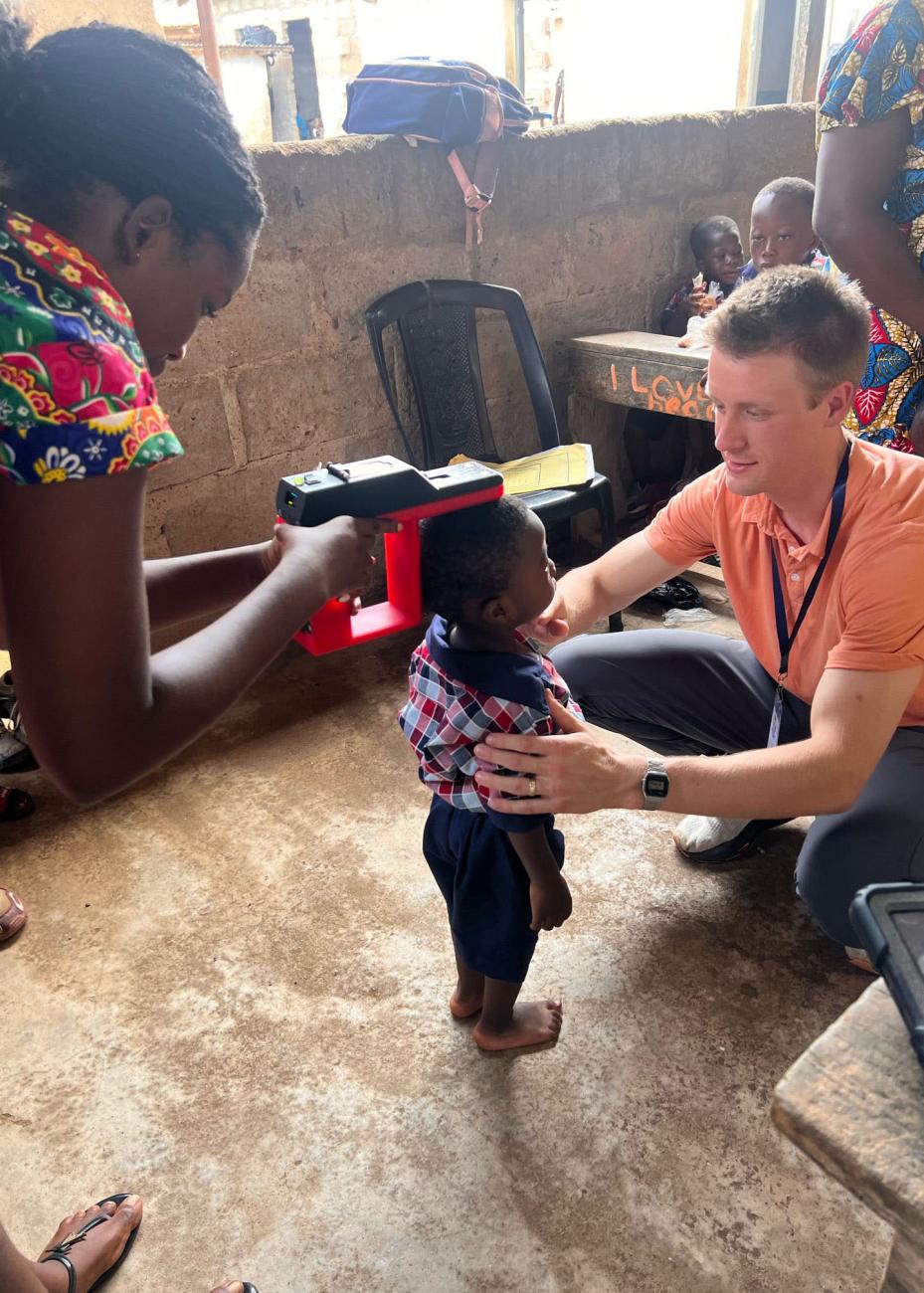
This project represents a unique integration of emerging technology into field-based research and medical work. In addition to traditional tools designed to capture body measurements, the team designed and built a novel digital stadiometer for rapid and accurate height assessments in low-resource settings, and they were able to test and validate those results for the first time in the field. A mobile app enabled real-time nutritional assessment and data aggregation, while image data supported AI tools for early malnutrition diagnosis. The powerful combination of demographic, physical, and visual data places the study at the forefront of tech-driven global health research.
For participating students, the experience extended far beyond data collection. As VCOM-Virginia student Lea Lenker ‘28 shared, “Through this work, I strengthened my cultural humility and reaffirmed my lifelong commitment to improving health outcomes. I am especially grateful for the opportunity to put our cutting-edge nutritional assessment tools to the test in a real-world setting. Ultimately, this experience has shaped me into a more thoughtful, compassionate, and globally minded osteopathic medical student.”
Working in community settings, the group gained hands-on training while also developing adaptability and teamwork skills in dynamic environments. Just as importantly, the collaboration fostered meaningful cross-cultural exchange, deepening the understanding of the social and environmental factors shaping child health in Ghana.
“My experience on this trip reshaped how I understand health and the kind of physician I hope to become,” VCOM-Virginia student Paloma Ames-Zuniga ’29 said. “As a student researcher studying child malnutrition, I saw that health is deeply influenced by social determinants such as access to food, education, and community resources, and it taught me to see patients in the context of their lives, not just their disease.”
VCOM-Carolinas’ Lily Logan ’29 also found the trip meaningful, “My experience in Ghana reinforced how fortunate I am to pursue a medical education and use it to investigate and address health disparities in underserved communities. It also gave me a deeper appreciation for the complexity of global health research and the importance of multidisciplinary teamwork and culturally competent approaches in creating meaningful, sustainable impact.”
Celeste Prado ’29, also from VCOM-Carolinas, reiterated the value of the experience, "Being able to participate in an international research study and collaborate with the University of Cape Coast has shown me the profound impact that cross-cultural partnerships have on advancing global health. It reinforced that working together across borders is absolutely essential for developing sustainable healthcare solutions."
Outside the research setting, the group engaged with the country’s history and natural environment. A visit to Cape Coast Castle, a UNESCO World Heritage Site, offered a sobering look at its role in the transatlantic slave trade. The team also explored Kakum National Park, where a canopy walkway high above the rainforest floor provided a striking view of Ghana’s biodiversity.
As the partnership with the University of Cape Coast continues to grow, VCOM and its collaborators will seek additional funding to expand the project’s reach and further integrate innovative technologies. Their shared goal is to improve the assessment and management of pediatric malnutrition in underserved communities while training the next generation of globally minded healthcare professionals.