By Caleb Boudreaux, Class of 2029, SOMA President 2026-2027
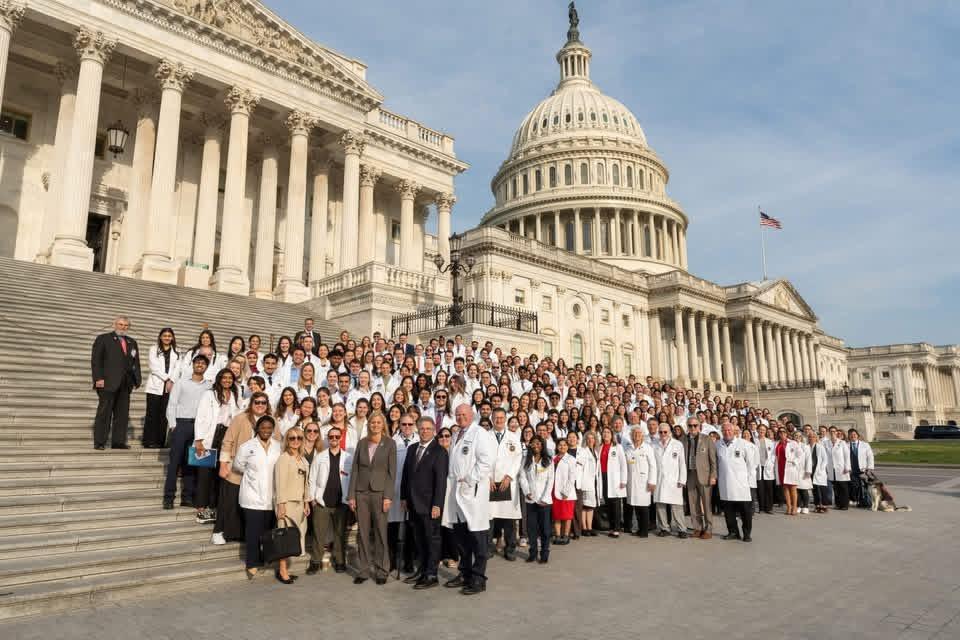
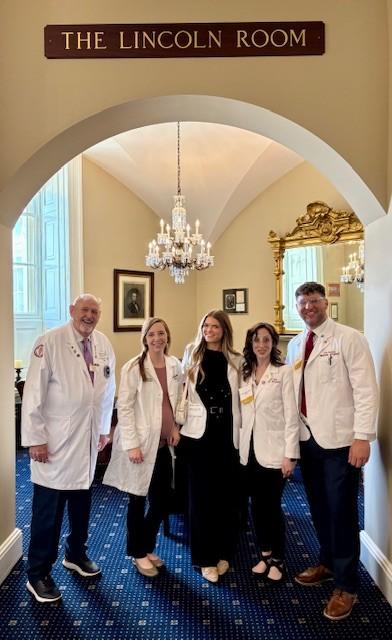
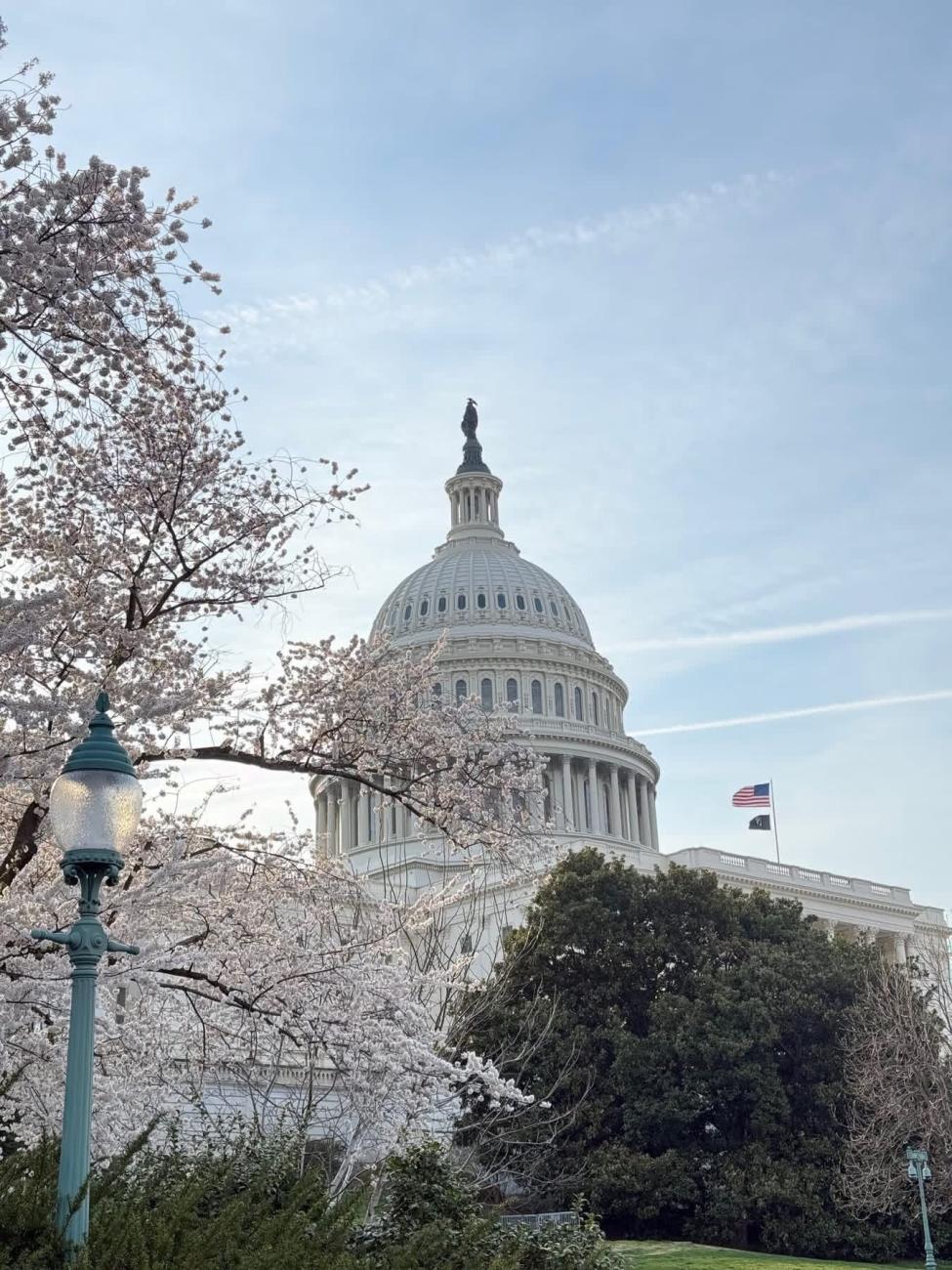
Student Osteopathic Medical Association (SOMA) leadership and osteopathic medical students from across the country recently traveled to Washington, D.C., to participate in the annual DO Day on the Hill Advocacy Conference, an event focused on amplifying the osteopathic profession's voice and advocating for patients at the national level.
Organized by the American Osteopathic Association (AOA), DO Day on the Hill brought together over 450 osteopathic students and physicians for a full day of advocacy. Participants held more than 315 coordinated meetings with members of Congress and their staff, discussing important healthcare legislation that affects both patient care and the future of the profession.
For students, the experience involved policy discussions, a firsthand view of the legislative process, and the chance to represent the osteopathic philosophy on a national platform.
Advocating for Patients and the DO Profession
Throughout the day, students concentrated on several important pieces of legislation prioritized by the AOA:
H.R. 6160 – Strengthening Medicare for Patients and Providers Act: This bill focuses on reforming Medicare to ensure better access to care for patients while supporting fair reimbursement for healthcare providers, particularly addressing the unique needs of osteopathic physicians.
- Osteopathic physicians provide essential care across all specialties, particularly primary care. Maintaining sustainable Medicare payment rates ensures practices can remain open despite rising operating costs, which have increased 33% from 2001–2025 while Medicare payment only increased 6%.
- The bill seeks to ensure stable, predictable Medicare reimbursement to protect patient access to care, especially in rural and underserved areas.
H.R. 5509 / S. 2903 – Safe Step Act: This legislation aims to improve patient safety and healthcare quality by establishing standards and protocols that reduce step therapy.
- Step therapy, also called “fail first,” requires patients to try insurers’ preferred medications before accessing the treatment prescribed by their physician, potentially delaying care and worsening outcomes.
- The Safe Step Act provides a clear, timely appeals process for step therapy, requiring insurers to respond within 72 hours (or 24 hours for life-threatening cases) and granting exemptions when clinically necessary. This protects patients and strengthens the physician-patient relationship.
H.R. 4731 / S. 2439 – Resident Physician Shortage Reduction Act: Designed to address the nationwide shortage of residency positions, this act seeks to increase graduate medical education opportunities, helping to ensure that all communities have access to qualified physicians.
- The U.S. faces a projected shortage of 187,130 physicians by 2037, disproportionately affecting rural and underserved areas.
- The bill would fund 2,000 new residency positions annually for seven years (14,000 total), prioritizing rural hospitals, Health Professional Shortage Areas, hospitals exceeding current residency caps, and states with new medical schools, ensuring future physicians are distributed where they are most needed.
Representing VCOM-Louisiana
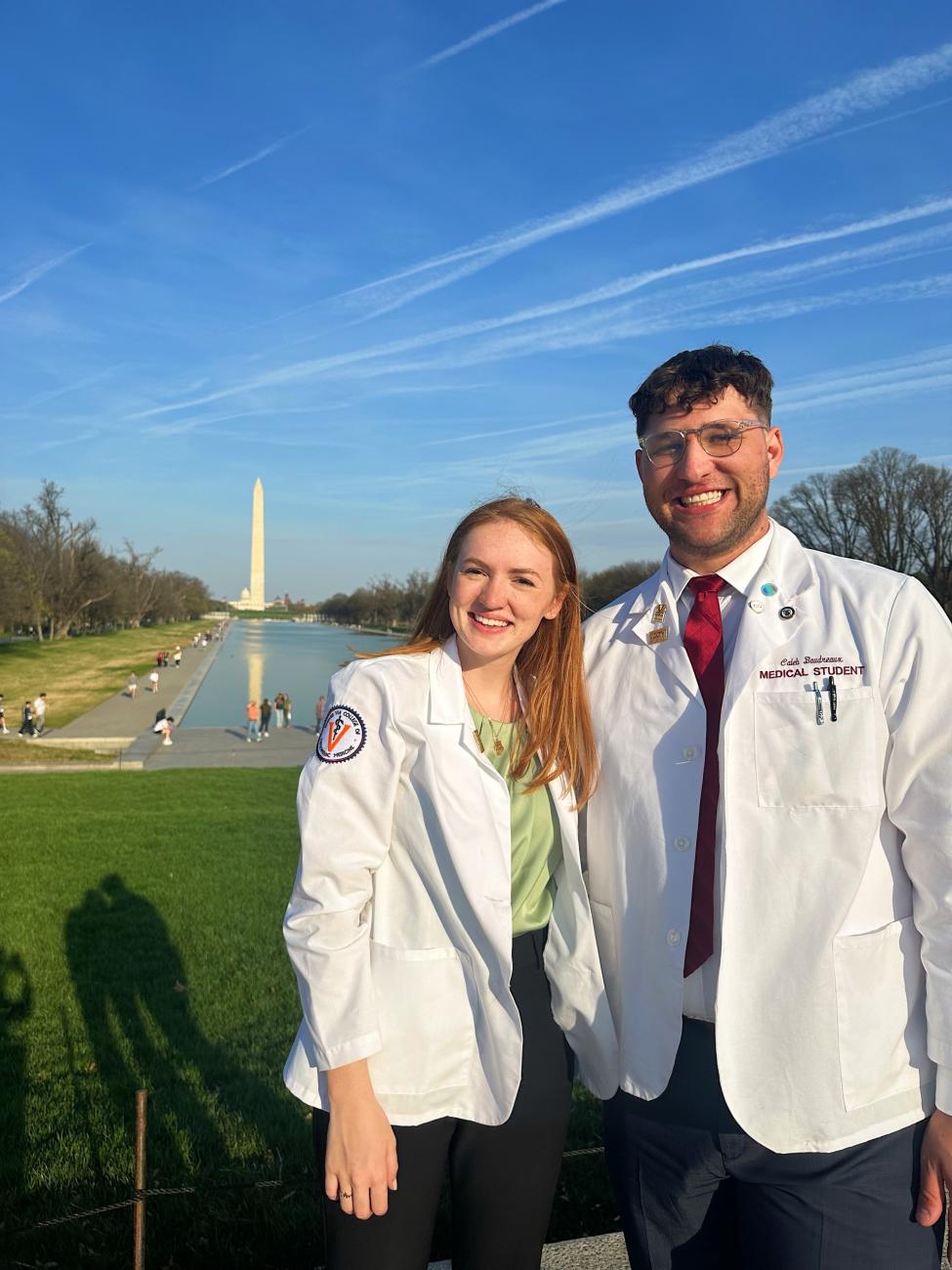
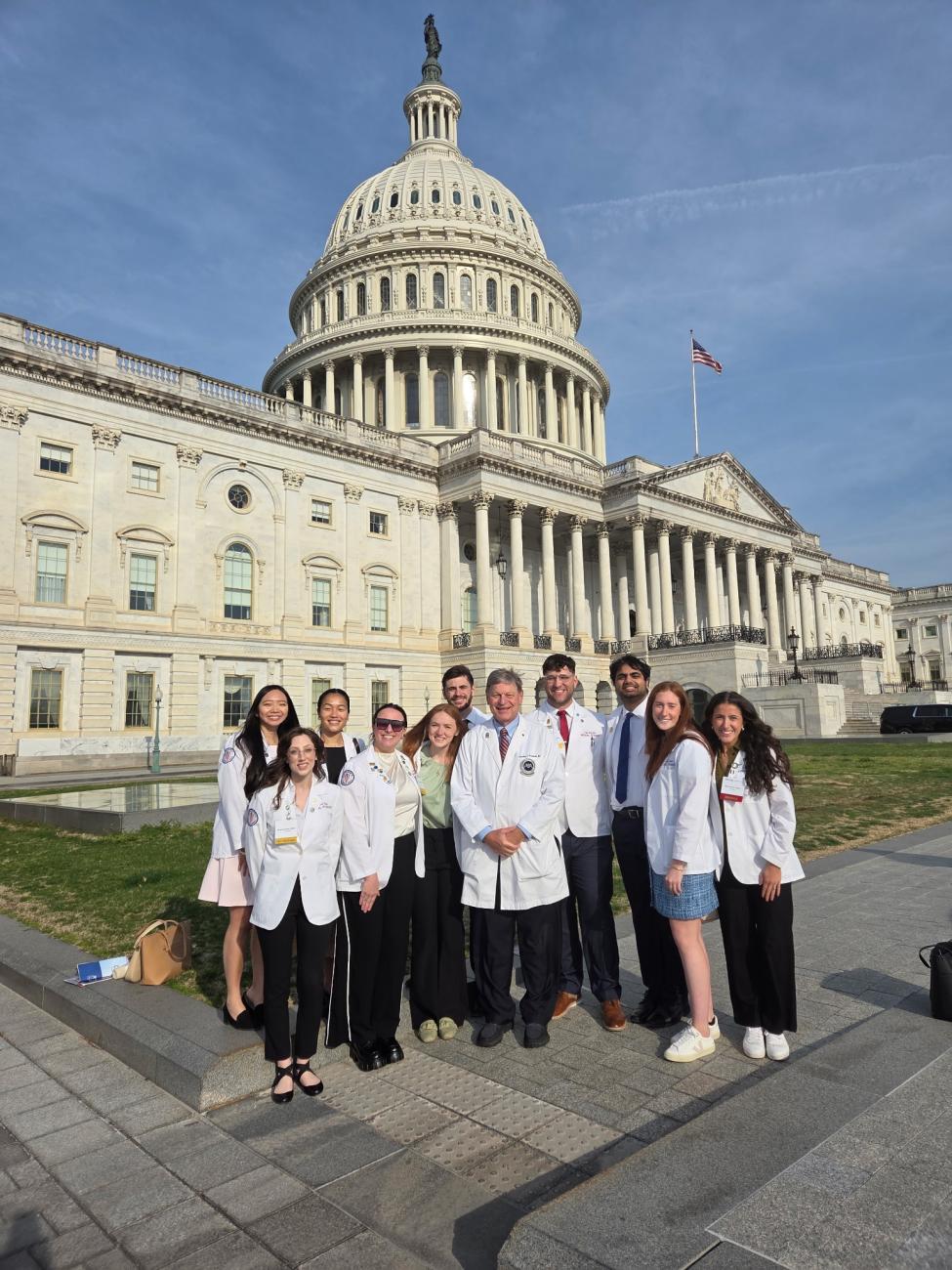
Students representing VCOM-Louisiana at DO Day on the Hill included Caleb Boudreaux ‘29, SOMA president 2026-2027; Mya Miller ‘29, SOMA national liaison officer 2026-2027; Rafael Fernandez ’29; Alexandria Bondi ’28, Sydnee Woods ’29, and Maggie Bailey ’28. They were joined in advocacy efforts by Ray Morrison, DO, FACOS, DFACOS, dean for VCOM-Louisiana, and Alexis Cates, DO, an emergency physician in New Orleans. Together, they reinforced the collective voice of students and physicians.
Representing VCOM-Auburn
Students representing VCOM-Auburn at DO Day on the Hill included Dhanush Avva ’29, SOMA president 2026-2027, Caroline Montini ’29, SOMA national liaison officer 2026-2027, and Maria Evola Pate, National SOMA Osteopathic Principles and Practice Director, ’28
Representing VCOM-Virginia
Gretchen Brown ’29, SOMA national liaison officer 2026-2027, represented VCOM-Virginia at DO Day on the Hill virtually. Lacey Heo, SOMA President 2026-2027, attended the Spring Convention and House of Delegates meetings.
Representing VCOM-Carolinas
Students representing VCOM-Carolinas at DO Day on the Hill included Lianna Perazzo ’29, SOMA president 2026-2027; and Alaina Mullaly ’29, SOMA national liaison officer 2026-2027. They were joined by Timothy Kowalski, DO, FACN, vice dean for professional & public relations, and professor for psychiatry at VCOM-Carolinas, and Tammy Whaley, BA, Assistant Vice President for Advancement and Alumni Relations and Executive Director for the South Carolina Osteopathic Medical Society.
From Advocacy to Action: VCOM Student Representation at the SOMA Spring Convention and House of Delegates
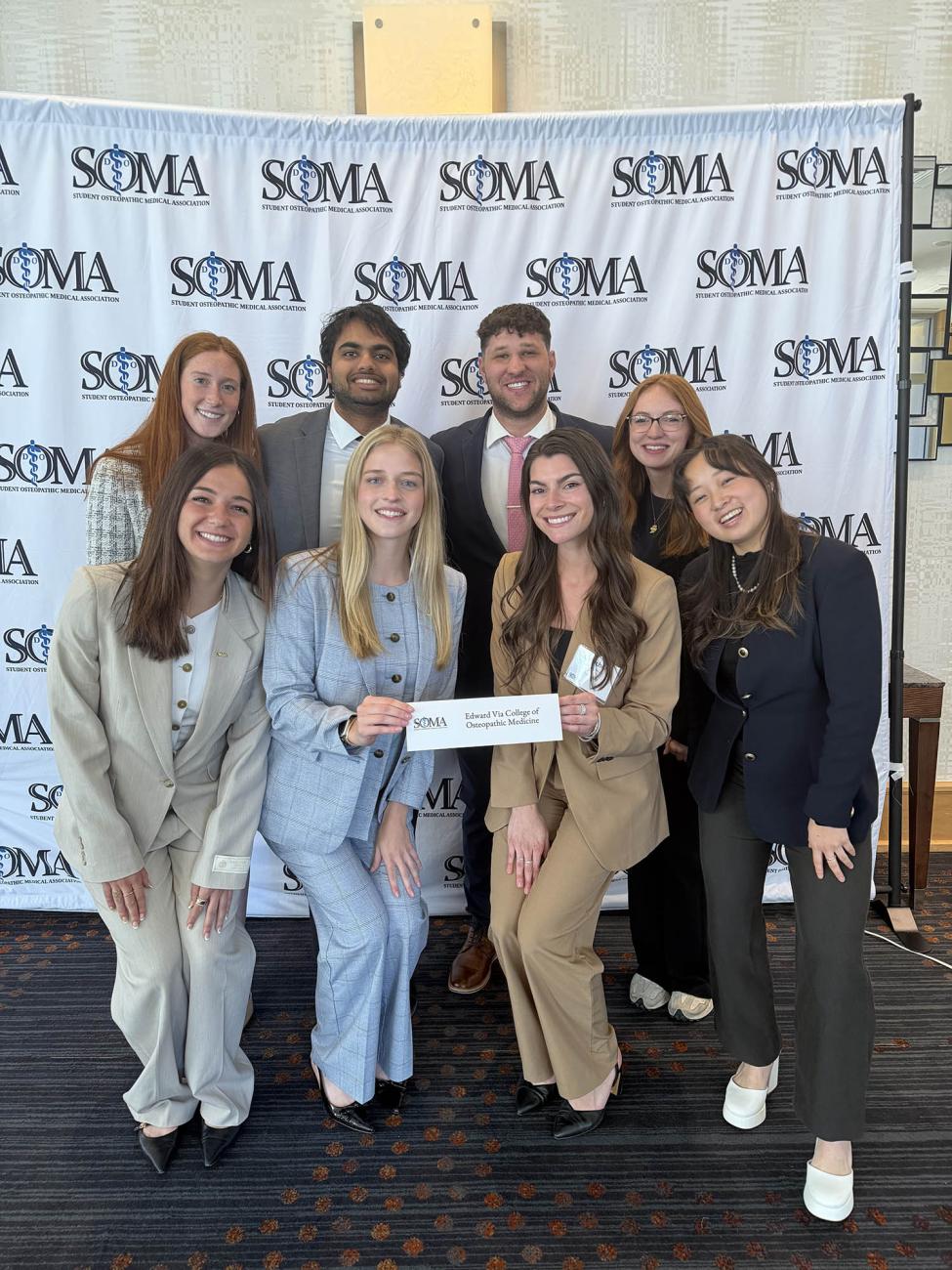
Immediately following DO Day on the Hill, the President and National Liaison Officer from each chapter, both serving as voting delegates for their campus, attended the SOMA Spring Convention and House of Delegates. There, they had the opportunity to turn advocacy into action by participating in the governance of the student osteopathic community.
This year, a record 61 resolutions authored by osteopathic medical students from across the country were considered and voted on by the SOMA delegation. Resolutions passed by the House will advance to the American Osteopathic Association for further review, extending the reach and impact of student-led advocacy efforts.
Building the Future of Osteopathic Medicine
As the student division of the AOA, SOMA plays a critical role in representing osteopathic medical students and ensuring their voices are heard. Through engagement with organizations such as the National Board of Osteopathic Medical Examiners, the Commission on Osteopathic College Accreditation, and the American Association of Colleges of Osteopathic Medicine, SOMA helps shape the future of medical education, policy, and practice.
Through initiatives such as DO Day on the Hill and the House of Delegates, SOMA empowers future osteopathic physicians to develop leadership skills while shaping the profession's future.